
Views: 0 Author: Site Editor Publish Time: 2026-03-04 Origin: Site


Surface coatings play a crucial role in enhancing the performance of industrial rollers by improving their durability, resistance to wear, and overall functionality in various industrial applications. These coatings provide an additional layer of protection that helps rollers withstand harsh conditions, including high temperatures, chemical exposure, and heavy mechanical stress. By selecting the right coating, manufacturers can ensure that rollers not only perform efficiently but also have a longer service life, reducing the need for frequent maintenance and replacements. Coatings like chrome, ceramic, and polyurethane are commonly used to meet specific performance needs, such as resistance to abrasion, corrosion, or shock. Choosing the right coating is essential for optimizing roller performance, ensuring smooth operations, and minimizing downtime in industries such as manufacturing, automotive, and food processing.
Chrome plating is a popular coating applied to industrial rollers to enhance their wear resistance and corrosion protection. This process involves the electroplating of a thin layer of chromium onto the roller's surface, providing a hard, smooth finish that reduces friction and helps protect against rust and abrasive wear. Chrome-plated rollers are highly effective in applications where durability and long-lasting performance are essential, such as in conveyor systems and printing machinery. The chrome layer extends the life of the rollers by reducing the need for frequent maintenance and providing consistent, efficient performance over time.
Ceramic coatings are used to provide exceptional protection in high-temperature and highly corrosive environments. The hard, smooth surface of ceramic coatings makes them ideal for industries where rollers are exposed to extreme conditions, such as in metal processing, paper mills, or chemical manufacturing. Ceramic coatings offer excellent resistance to abrasion, corrosion, and thermal degradation, ensuring that the rollers perform reliably even under the most challenging circumstances. These coatings are often used to extend roller life, minimize downtime, and reduce the risk of failure due to high heat or chemical exposure.
Rubber coatings are commonly used on industrial rollers to provide shock absorption and superior grip. These coatings help prevent damage to delicate materials by cushioning them during transport or processing. Rubber-coated rollers are especially beneficial in conveyor belts, printing machines, and textile handling, where they allow for smooth, controlled movement without causing abrasion. The elasticity of rubber helps to reduce vibrations and noise, contributing to quieter, more efficient operations. Additionally, rubber coatings offer resistance to impact, making them ideal for applications that involve fluctuating loads or sudden movements.
Polyurethane coatings are known for their durability, resistance to abrasion, and chemical resistance. This makes polyurethane an excellent choice for industrial rollers used in environments where they face heavy wear, abrasive conditions, or exposure to harsh chemicals. Polyurethane-coated rollers are commonly found in industries like mining, automotive manufacturing, and paper production. These coatings offer an extended service life, reducing maintenance costs and downtime. Polyurethane coatings also contribute to smoother roller operation by reducing friction and wear between the roller surface and materials being processed.
Epoxy coatings are used to provide robust protection against harsh environments and enhance corrosion resistance. Epoxy coatings form a strong, durable layer that shields rollers from moisture, chemicals, and physical wear. They are often applied to rollers used in marine, chemical, and food processing industries where exposure to corrosive substances is common. Epoxy coatings are known for their excellent adhesion to metal surfaces and can withstand prolonged exposure to water, acids, and alkalis. These coatings ensure that industrial rollers maintain their performance and reliability, even in challenging environments.
 2.Factors Influencing Coating Selection
When selecting the appropriate coating for industrial rollers, several key factors must be considered to ensure optimal performance, durability, and longevity. These include environmental conditions, load-bearing requirements, and chemical exposure, all of which significantly impact the choice of coating material.
The environmental conditions in which the rollers operate play a crucial role in coating selection. For example, if rollers are exposed to extreme temperatures or humidity, coatings such as ceramic or epoxy are often preferred for their ability to withstand high heat and moisture. Ceramic coatings provide excellent protection in environments with high temperatures, while epoxy coatings are ideal for environments where moisture or chemicals are prevalent. The specific temperature range and the likelihood of exposure to harsh elements help determine which coating will provide the best protection and performance.
The weight and pressure that industrial rollers are subjected to also influence coating choices. In applications with high load-bearing demands, such as mining or heavy manufacturing, a chrome plating or polyurethane coating may be chosen for their superior wear resistance and ability to handle heavy loads without degrading quickly. Coatings like chrome create a hard surface that resists physical wear under stress, ensuring that the roller remains functional even under high pressure.
Rollers exposed to chemicals, oils, or other corrosive substances require coatings that offer strong chemical resistance. Polyurethane and epoxy coatings are often chosen for their ability to resist damage from chemicals, oils, and other aggressive substances. For applications in food processing, chemical manufacturing, or pharmaceutical production, coatings like stainless steel or epoxy are ideal, as they prevent corrosion and ensure the rollers can endure prolonged exposure to corrosive environments without losing their performance capabilities.
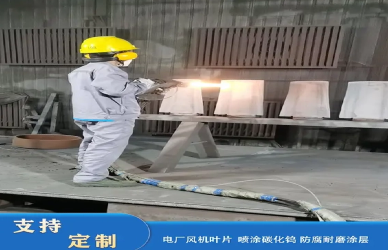
The thickness of coatings is crucial in determining the durability and performance of industrial rollers in various environments. Thicker coatings generally offer better protection against wear, corrosion, and abrasion, increasing roller lifespan in challenging conditions.
A thicker coating enhances the roller’s ability to resist damage from heavy loads, friction, and chemical exposure. For example, thicker chrome plating offers better wear resistance, making it ideal for printing or conveyor systems. In environments with high heat or moisture, a thicker ceramic or epoxy coating provides superior protection against thermal degradation and corrosion. However, excessive coating thickness can lead to brittleness or application challenges, so a balance is key.
Coating thickness can be customized for specific industries to meet operational requirements:
· Automotive Industry: Thicker polyurethane coatings can handle abrasion and heavy loads in high-speed operations.
· Food Processing: Epoxy coatings are often thicker to ensure moisture resistance and durability during frequent cleaning.
· Mining: Chrome plating or ceramic coatings with added thickness offer extra protection for rollers in high-impact environments.
Coatings play a vital role in enhancing the lifespan, performance, and efficiency of industrial rollers, offering several key advantages for businesses across various industries.
Coatings provide an additional layer of protection that helps shield rollers from harsh operating conditions, such as abrasion, corrosion, and chemical exposure. By reducing wear and tear, coatings significantly extend the lifespan of rollers, meaning they can perform efficiently for a longer period. For example, chrome plating enhances wear resistance, making the rollers last longer in high-friction applications, while polyurethane coatings protect against abrasion and chemical damage. These coatings help maintain consistent roller performance over time, even in demanding environments.
Rollers with durable coatings require less frequent maintenance, which helps reduce overall maintenance costs. Coated rollers are less prone to damage, so businesses can spend less on repairs or replacement. The protective coatings also reduce the frequency of lubrication or cleaning required, contributing to lower operational expenses. Over time, these savings add up, making coated rollers a cost-effective solution for businesses aiming to improve operational efficiency.
Coatings contribute significantly to reducing downtime by preventing frequent breakdowns and failures. With coatings like epoxy or ceramic, rollers are better equipped to withstand the harsh conditions they face, meaning fewer interruptions in operations. For industries such as automotive, mining, or food processing, where continuous, smooth operations are critical, coated rollers help maintain seamless production. By extending the time between maintenance, coatings help ensure that equipment runs smoothly, minimizing costly production halts and increasing overall system efficiency.
Chrome plating improves the wear resistance and corrosion protection of rollers, ensuring smoother operation and extended lifespan.
Ceramic coatings provide excellent high-temperature resistance and corrosion protection, making them ideal for extreme environments.
Polyurethane offers high abrasion resistance, chemical resistance, and durability, making it perfect for heavy-duty and abrasive applications.
Rubber coatings provide shock absorption, grip, and noise reduction, making them ideal for delicate material handling and smoother operations.
In conclusion, industrial roller manufacturers utilize a variety of coatings, each offering unique benefits depending on the application. Chrome plating is widely used for its wear resistance and corrosion protection, making it ideal for high-friction environments. Ceramic coatings are chosen for their ability to withstand high temperatures and corrosive conditions, while rubber coatings offer shock absorption and grip for sensitive materials. Polyurethane coatings provide exceptional abrasion resistance and chemical resistance, making them perfect for heavy-duty applications. Epoxy coatings are valued for their ability to protect rollers from harsh chemicals and moisture. Selecting the right coating is essential for optimizing the roller’s performance, durability, and cost-effectiveness, ensuring that it can meet the specific demands of each industry, from automotive to food processing and beyond. The right coating ensures longer lifespans, reduces maintenance costs, and contributes to smooth, uninterrupted operations, ultimately enhancing productivity and efficiency.


