
Views: 0 Author: Site Editor Publish Time: 2026-03-03 Origin: Site


In the manufacturing of industrial rollers, the selection of materials plays a critical role in determining the performance, durability, and overall cost-effectiveness of the rollers. Materials must be chosen carefully to meet the specific demands of the application, whether it’s for heavy-duty machinery, conveyor systems, or precision equipment. For instance, materials like steel offer high strength and load-bearing capacity, ideal for robust, high-stress environments, while rubber provides flexibility and traction for lighter, more delicate operations. Polyurethane is prized for its wear resistance, making it suitable for high-abrasion environments. The material chosen affects not only the functionality of the roller but also its longevity and maintenance requirements. By selecting the right materials, manufacturers can ensure that their rollers perform reliably over time, even under challenging conditions, while keeping production costs under control.
Steel is one of the most widely used materials in industrial roller manufacturing due to its strength and ability to withstand heavy-duty applications. Carbon steel is often chosen for its affordability and high tensile strength, making it ideal for rollers used in high-stress environments, such as in manufacturing plants and automotive industries. Stainless steel, on the other hand, offers excellent resistance to corrosion, making it particularly suitable for industries exposed to harsh environments, like food processing or chemical manufacturing. Steel rollers are essential for applications where high load-bearing capacity and durability are paramount, ensuring longevity even under constant heavy loads and extreme conditions.
Aluminum is a lightweight, corrosion-resistant material that is frequently used in applications where weight reduction is essential. It offers good strength and is highly resistant to rust, making it perfect for lighter rollers used in industries like packaging, textiles, and electronics. The low weight of aluminum also reduces the overall energy consumption of the equipment, enhancing operational efficiency. This makes aluminum rollers particularly suitable for high-speed operations or systems that require frequent adjustments. However, aluminum rollers may not be as durable in heavy-duty applications compared to steel, especially when subjected to continuous high-stress environments or heavy loads.
Rubber is known for its high flexibility and excellent grip, which makes it an ideal material for rollers that need to interact with sensitive or delicate materials. Rubber-coated rollers are often found in conveyor belts and printing machines, where they help move goods or materials smoothly and efficiently without causing damage. The elastic nature of rubber provides shock absorption and noise reduction, making it suitable for industries that require smooth, quiet operations. Rubber also helps reduce the risk of material damage, especially in applications where delicate or lightweight items are involved. As such, rubber rollers are commonly used in industries such as food processing, pharmaceuticals, and textile handling.
Polyurethane is a highly versatile material known for its wear resistance, making it an excellent choice for industrial rollers exposed to high levels of abrasion. It’s often used in industries such as mining, paper manufacturing, and automotive, where rollers need to endure extreme conditions. Polyurethane rollers also produce lower noise levels compared to metal rollers, contributing to a quieter work environment. Additionally, polyurethane is durable and offers excellent resistance to oil, chemicals, and other harsh substances, making it ideal for a wide range of industrial applications. The material's ability to withstand heavy usage while offering low maintenance costs makes it an appealing option for industries that require both performance and cost-efficiency.
One of the most critical factors in selecting materials for industrial rollers is the load-bearing capacity. Rollers used in heavy-duty machinery or equipment must be able to withstand significant forces without deforming or breaking. For these applications, materials like steel are often preferred due to their high tensile strength and ability to support heavy loads over extended periods. The material must also be durable enough to endure the continuous wear and tear associated with high-stress operations, ensuring that the rollers perform effectively and have a long service life.
Environmental conditions significantly influence material choice, especially for rollers exposed to harsh or extreme environments. For instance, rollers used in industries that deal with chemicals or high temperatures—such as the chemical, food processing, and steel industries—must be made from materials that are resistant to corrosion, oxidation, or thermal degradation. Stainless steel and polyurethane are commonly used in such cases because they offer excellent resistance to chemicals and high temperatures. Choosing the right material ensures that the rollers can withstand the specific environmental challenges without compromising their performance or lifespan.
Cost plays a vital role in material selection, as manufacturers must balance the quality and performance of the roller with the overall production budget. Aluminum, for example, is more cost-effective than steel and is often used in applications where the load-bearing requirements are not as stringent. However, for industries that require robust, high-performance rollers, opting for premium materials like stainless steel or high-performance rubber may be necessary, even if they come at a higher cost. Manufacturers must consider the long-term benefits of the material—such as durability, reduced maintenance, and better efficiency—against the initial investment to ensure the best value for their needs.
 3.Material Coatings for Enhanced Durability
Chrome plating is a widely used coating for industrial rollers, particularly when enhanced wear resistance is needed. The process involves applying a thin layer of chromium to the roller's surface, which creates a hard, durable layer that resists abrasion, corrosion, and general wear and tear. This coating significantly extends the lifespan of the rollers, especially in high-traffic or heavy-duty environments. Chrome plating also reduces friction, allowing rollers to operate smoothly, which is particularly beneficial in conveyor systems and printing machines. The added protection helps reduce maintenance needs, making it a cost-effective choice for long-term operations.
Ceramic coatings are applied to rollers when they are expected to perform in extreme conditions, such as high temperatures or environments with high chemical exposure. Ceramic coatings provide an excellent solution for applications that require resistance to corrosion, oxidation, and thermal degradation. These coatings form a strong, protective layer that shields the underlying material from high heat and harsh chemicals, making them ideal for industries like metal processing, paper mills, and chemical manufacturing. The ceramic layer is hard and smooth, which reduces friction and enhances the roller’s performance, even in the most demanding conditions.
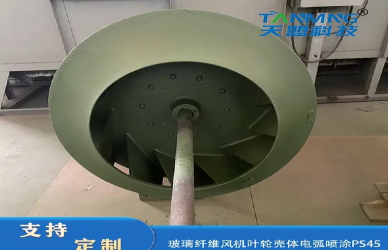
In specialized industries like aerospace and automotive, carbon fiber and titanium are chosen for their lightweight and high-strength properties. Carbon fiber is ideal for applications where weight reduction is essential without compromising strength, such as in high-speed systems and precision machinery. Titanium, known for its strength-to-weight ratio and corrosion resistance, is used in aerospace and automotive applications where extreme conditions and high-performance are required. Both materials provide superior resilience in high-pressure and high-temperature environments.
Manufacturers select materials based on specific performance requirements like high tensile strength, chemical resistance, and temperature tolerance. For applications requiring strength under heavy loads, materials like steel or titanium are preferred. For chemical resistance, polyurethane and stainless steel are chosen, especially in industries with harsh chemicals. Rubber and polyurethane are used in environments needing shock absorption and flexibility, making them ideal for printing or packaging applications. Material selection balances performance, environment, and cost-efficiency for reliable roller operation.
Steel is favored for heavy-duty industrial rollers because of its exceptional strength and load-bearing capacity. It is highly durable, which makes it ideal for applications that involve significant stress and wear. Steel's ability to withstand high forces and harsh conditions ensures that rollers last longer, making it a cost-effective choice in industries like manufacturing, automotive, and construction where equipment faces constant heavy loads.
Rubber is widely used in industrial rollers due to its flexibility, shock absorption, and excellent grip. These properties make it ideal for applications such as conveyor systems and printing machines, where smooth, controlled movement is critical. Rubber rollers also reduce vibrations and noise, contributing to quieter operations. Furthermore, rubber is gentle on materials, preventing damage during handling and ensuring the efficient movement of products without abrasion.
Polyurethane has several advantages over rubber for industrial rollers, primarily in wear resistance and longevity. While rubber is flexible, polyurethane is much more durable and performs better in high-abrasion environments, making it a top choice for industries with rigorous demands. It also has a longer lifespan and requires less frequent maintenance, which can significantly reduce operational costs. Polyurethane is particularly suited for heavy-duty applications where rubber may not offer the required resistance or durability.
Coatings like chrome plating play a crucial role in enhancing roller performance by significantly improving abrasion resistance, corrosion resistance, and resistance to high temperatures. Chrome coatings form a hard, durable layer on the surface of the roller, ensuring it performs optimally even in tough environments. This reduces wear and tear, extends the lifespan of the roller, and minimizes the need for frequent maintenance. Chrome-coated rollers are ideal for operations that require smooth, efficient movement with minimal friction, such as in printing and conveyor systems.
In conclusion, selecting the right materials for industrial rollers is crucial for ensuring optimal performance, durability, and cost-effectiveness across various industries. The materials chosen must align with the specific demands of the application, such as load-bearing capacity, environmental resistance, and wear and tear. Whether it’s the strength of steel, the flexibility of rubber, or the corrosion resistance of polyurethane, each material offers unique benefits tailored to different operational needs. Looking ahead, the future of roller materials is likely to see an increased use of composites and advanced coatings. Composites, with their lightweight yet strong properties, are becoming more common in applications that require both strength and reduced weight. Advanced coatings, such as those involving ceramics or nanomaterials, will continue to grow in popularity, offering enhanced resistance to extreme temperatures, corrosion, and wear. These innovations promise to improve roller performance even further, providing longer lifespans and lower maintenance costs in increasingly challenging environments.


