
Views: 0 Author: Site Editor Publish Time: 2026-01-19 Origin: Site


Thermal Spray Coating and conventional painting are often compared when choosing surface protection—but which is truly better for your application? From bonding strength and coating thickness to durability, environmental impact, and long-term cost, the differences are significant. In this guide, we compare thermal spray coating vs. painting side by side, helping you understand how each performs in real-world conditions. If you’re deciding between industrial coating solutions, this comparison will help you make a smarter, long-term choice.
The biggest difference starts at how each coating attaches to the surface. Thermal spray coating forms protection through mechanical bonding. Molten or semi-molten particles hit the surface at high speed. They flatten, lock in, and build a strong, layered structure. The coating stays in place because of surface roughness and impact energy. It does not rely on drying or curing.
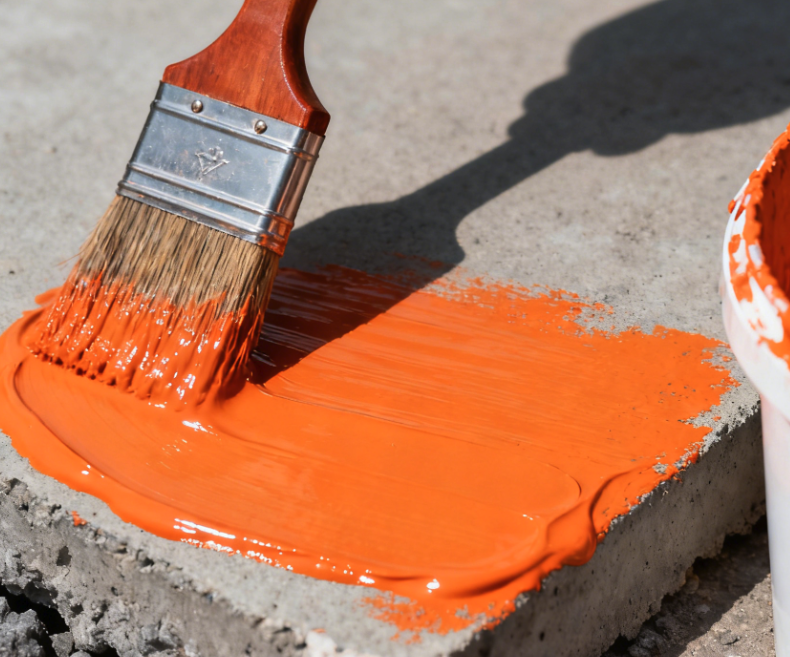
Painting works very differently. Paint creates a thin film that sticks through surface adhesion. It needs proper curing to harden. Over time, stress, moisture, or heat can weaken this bond. When that happens, peeling and blistering start. Because bonding methods differ, long-term reliability also changes. Mechanical bonding resists vibration and stress better. Film adhesion breaks down faster in demanding conditions.
Thickness plays a major role in protection performance. Thermal spray coatings are usually much thicker. They often range from 100 microns to several millimeters, depending on the process and material. This added thickness improves impact resistance and slows down corrosion penetration.
Paint coatings are thin by design. Most systems stay between 50 and 300 microns, even after multiple layers. Once the film is damaged, the substrate becomes exposed quickly. Thicker coatings handle wear and corrosion better. Thin paint films fail faster in aggressive environments, especially where impact or abrasion is present.
| Feature | Thermal Spray Coating | Painting |
|---|---|---|
| Typical Thickness | 100 µm – several mm | 50–300 µm |
| Impact Resistance | High | Low |
| Structural Support | Strong | Limited |
Wear resistance is where the performance gap becomes obvious. Thermal spray coatings perform well under sliding wear, friction, and particle erosion. Hard materials like carbides or ceramics handle repeated contact without fast material loss. They are built for industrial abuse.
Paint struggles in these conditions. Abrasive particles cut through the film. Friction causes fast thinning. Once damaged, protection drops sharply. That’s why thermal spray coatings are common in mining, power generation, and heavy manufacturing. Painting fits light-duty use, not constant mechanical stress.
Both coatings protect against corrosion, but not equally. Paint mainly works as a barrier. Once moisture finds a path through cracks or pores, corrosion spreads underneath. Localized corrosion like pitting often causes early failure.
Thermal spray coatings offer stronger resistance. They can handle uniform corrosion and localized attacks better. Some materials provide sacrificial protection, others resist chemical exposure directly. Material choice matters here. Thermal spray allows metals, alloys, and ceramics to match the environment. Paint formulations stay limited by chemistry and film strength.
Heat exposure separates these two options quickly. Thermal spray coatings tolerate high temperatures. Many remain stable well above 500°C, depending on material choice. They do not soften or burn off easily.
Conventional paints have strict limits. Heat causes discoloration, cracking, or complete failure. Even high-temperature paints degrade over time. Applications involving furnaces, exhaust systems, or thermal cycling push painting beyond its limits. Thermal spray coatings survive where paint simply cannot.
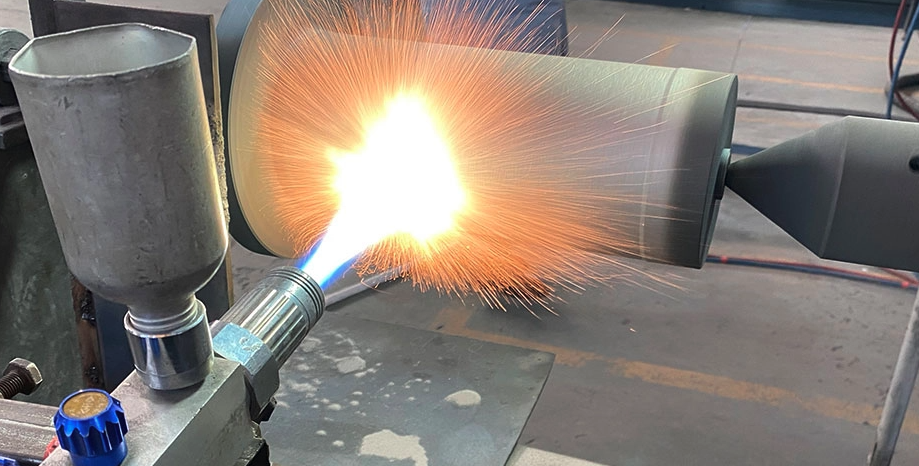
Application conditions often decide whether a coating succeeds or fails. Painting is sensitive to temperature and humidity. Cold air slows drying. High humidity traps moisture. Hot weather causes uneven curing. These limits force crews to wait for the right season or weather window.
Thermal spray coating works in much wider conditions. It relies on heat and particle velocity, not air drying. It performs well in cold, hot, dry, or humid environments. We can apply it day or night, indoors or outdoors. Outdoor and on-site work shows the difference clearly. Painting needs shelters, climate control, and frequent delays. Thermal spray coating moves faster and adapts easily to field conditions.
Environmental flexibility comparison
| Factor | Thermal Spray Coating | Painting |
|---|---|---|
| Temperature Sensitivity | Low | High |
| Humidity Sensitivity | Low | High |
| Outdoor Application | Easy | Difficult |
| Seasonal Limitations | Minimal | Significant |
Downtime affects productivity more than most people expect. Thermal spray coatings require no cure time. Once spraying stops, the surface is ready. Equipment goes back into service immediately. We save hours or even days.
Paint systems need drying and curing. Some require multiple layers. Each layer adds waiting time. In cold or humid conditions, curing slows even more. Downtime increases total operational cost. Idle equipment still costs money. Labor waits. Production pauses. Faster return to service makes thermal spray coating a strong advantage in time-critical operations.
Downtime impact at a glance
Thermal spray: ready to use immediately
Painting: hours or days before service
Longer downtime: higher labor and production costs
Environmental impact starts during application, not after service begins. Traditional paint systems contain high levels of VOCs. These solvents evaporate during drying. They enter the air. Workers breathe them in. Local air quality drops fast.
Thermal spray coatings behave differently. They use solid feedstock materials. Metals, alloys, ceramics. No solvent evaporation occurs. VOC emissions stay very low or completely absent. Regulations keep getting stricter. Many regions limit VOC output per project. Companies must track emissions carefully. Thermal spray coating helps meet compliance goals. It also supports sustainability programs and greener manufacturing plans.
VOC comparison
| Aspect | Thermal Spray Coating | Painting |
|---|---|---|
| VOC Emissions | None or very low | High |
| Air Quality Impact | Minimal | Significant |
| Regulatory Risk | Low | High |
| Sustainability Rating | Strong | Limited |
Material efficiency affects both cost and environmental footprint. Painting loses material quickly. Solvents evaporate. Overspray drifts away. Transfer efficiency drops. Much of the paint never reaches the surface.
Thermal spray processes deliver higher deposition efficiency. Most particles hit the substrate. They form useful coating. Waste stays low. In some thermal spray systems, overspray can be collected. It can be reused. Paint overspray cannot. Once it dries, it becomes waste.
Material usage comparison
Painting: high evaporation and overspray loss
Thermal spray: efficient material use
Recyclability: possible for thermal spray, impossible for paint
Less waste means lower disposal costs. It also means cleaner work areas. Workers benefit. So does the environment.
Painting wins when budgets look only at today. Paint systems need simple tools. Brushes, rollers, spray guns. Training stays basic. Setup stays fast. Upfront cost remains low, especially for small jobs.
Thermal spray coating costs more at the start. Equipment is specialized. Operators need skills and certification. Surface preparation requires precision. These factors raise the initial price. For short-term protection, painting feels easier to justify. Many teams stop the comparison here. That choice often creates problems later.
Maintenance tells the real cost story. Paint coatings need frequent attention. Repainting cycles often fall between 3 and 5 years. Each cycle requires surface cleaning, blasting, and masking. Labor and downtime repeat again and again.
Thermal spray coatings last much longer. Many stay effective for 15 to 30 years. Repairs happen less often. Surface removal is rarely needed. Hidden costs build up around paint. Old layers must be stripped. Waste disposal adds expense. Equipment sits idle during recoating.
Recoat frequency comparison
| Factor | Thermal Spray Coating | Painting |
|---|---|---|
| Typical Service Life | 15–30 years | 3–5 years |
| Recoating Frequency | Low | High |
| Surface Prep Repetition | Minimal | Frequent |
| Maintenance Cost Trend | Stable | Increasing |
Total cost goes beyond the coating invoice. Lifecycle analysis shows the difference clearly. Painting looks cheaper early. Over time, labor, downtime, and repeated materials drive costs up fast.
Thermal spray coating reduces interruptions. Equipment stays running longer. Asset replacement slows down. We save money where it matters most. Downtime costs often outweigh coating costs. Lost production hurts revenue. Delays affect schedules. Thermal spray becomes economical once long service life and reduced maintenance matter.
Some environments push coatings to their limits. Thermal spray coating works best under severe corrosion or abrasion. Salt, chemicals, moisture, particles. They attack surfaces daily. Thick, bonded coatings slow damage and protect the base material.
High-temperature or high-load conditions favor thermal spray. Heat cycles, friction, and pressure break paint films quickly. Thermally sprayed layers stay stable and resist deformation. Long-term projects benefit most. Maintenance stays low. Service life stretches over decades. We avoid repeated shutdowns and surface rebuilding.
Thermal spray coating fits when:
Corrosive or abrasive exposure stays constant
Operating temperatures exceed paint limits
Equipment runs continuously under heavy load
Maintenance access remains limited
Not every job needs maximum protection. Painting works for light-duty applications. Decorative finishes, indoor structures, and low-stress surfaces fit well. It improves appearance and adds basic corrosion resistance.
Short service life changes priorities. Temporary installations or fast replacement cycles do not justify higher upfront cost. Paint delivers enough protection for the timeframe. Budget-driven decisions often favor paint. Initial cost stays low. Tools stay simple. For non-critical assets, it remains a practical option.
| Application Factor | Thermal Spray Coating | Painting |
|---|---|---|
| Harsh Environment | Excellent | Poor |
| High Temperature | Excellent | Limited |
| Long Service Life | Ideal | Weak |
| Decorative Finish | Limited | Excellent |
| Initial Budget | Higher | Lower |
A: No. Thermal spray coating uses molten solid materials that mechanically bond to the surface. Painting relies on liquid films that cure and adhere.
A: Not always. It replaces paint in harsh, industrial conditions. Paint still suits decorative or light-duty applications.
A: Thermal spray coatings often last 15–30 years. Paint usually lasts 3–5 years.
A: Yes. It produces little or no VOCs, unlike traditional paint systems.
A: Yes, for long-term use. Lower maintenance and downtime reduce total lifecycle cost.
Choosing between thermal spray coating and painting comes down to how hard your equipment really works. If surfaces face heat, wear, corrosion, or nonstop operation, stronger protection quickly proves its value. For lighter use or visual appeal, simpler solutions may still fit. The key is matching protection level to real operating demands, not just initial cost.
At Jinan Tanmng New Material Technology Co., Ltd., we help you make that decision with confidence. Our team focuses on practical coating solutions that reduce downtime, extend service life, and protect your investment—because performance matters long after application ends.


