
Views: 0 Author: Site Editor Publish Time: 2026-01-19 Origin: Site


A tiny seal groove can cause a huge shutdown. You replace the seal, yet the leak returns. The real problem is often the surface under the seal, not the seal itself. That is the moment a Shaft Sleeve earns its keep.
In this article, we answer: What is the purpose of a shaft sleeve? You will learn how it protects the shaft from wear and corrosion, how it supports seal performance, and how it cuts repair cost by making the wear surface replaceable. You will also see when a sleeve is the best fix, and when it is not.
Seals and packing rub the same band on every rotation. Over time, that band turns into a groove. If the shaft is the contact surface, the shaft becomes the wear part. That is expensive and slow to repair.
A Shaft Sleeve moves that wear to a replaceable part. You let the sleeve take the groove, then you change it during a planned seal job. The shaft under it keeps its size and straightness, which helps the whole rotor stay reliable.
Abrasive solids act like grinding paste. They can score a seal track fast, especially during starts and stops. Rubbing events also happen when alignment shifts or bearings loosen. Even short rubs can leave deep marks.
A Shaft Sleeve reduces the risk by shielding the shaft surface. You can also pick a harder sleeve build for gritty service. It is still smart to fix the process driver, yet the sleeve buys you time and reduces permanent shaft damage.
Wet zones see oxygen, chemistry, and temperature swings. Those conditions drive pitting and crevice corrosion. Once pits form near the seal, leakage often increases. The seal face can also lose stability on a pitted track.
A corrosion-focused Shaft Sleeve blocks fluid attack on the base shaft. It also allows upgraded alloys where they matter most. End sealing features reduce under-sleeve corrosion, which is a common “hidden” failure mode.
Seals need a stable surface to do their job. Surface finish, roundness, and runout control leakage more than many people expect. If the track is rough, packing never settles. If the track wobbles, mechanical seals run hot.
A Shaft Sleeve provides a controlled seal track. It also keeps that track consistent after each repair cycle. Many sleeves include features that help manage leakage paths, such as end seals or designed shoulders.
Shaft replacement is rarely just a part swap. It often includes tear-down, bearing work, coupling work, and alignment checks. It can also require long lead times for custom shafts. That risk is hard during an unplanned outage.
A Shaft Sleeve reduces cost because it is designed as a consumable wear part. You stock it as a spare and replace it during seal service. Over a few repair cycles, the savings often exceed the sleeve cost.
Seals hate changing geometry. A small diameter change can shift contact pressure. A small runout change can raise heat. When teams machine shafts in the field, results can vary by crew and setup.
A Shaft Sleeve helps standardize the seal surface. It gives you a repeatable OD and a repeatable finish target. That consistency improves seal life and reduces “mystery” leaks after rebuilds.
Sometimes the shaft material is fine for strength, yet weak for wear or corrosion at the seal zone. Upgrading the full shaft can be wasteful. It also may not be available quickly.
A Shaft Sleeve lets you upgrade only the failure zone. You can choose stainless, hardened surfaces, or coatings for slurry duty. This is a targeted reliability upgrade, not a full redesign.
Note:When failures repeat at one band, protect the band, not the whole shaft.
Purpose | Typical symptom | What the sleeve changes | Best next check |
Sacrificial wear surface | Grooves at seal track | Wear moves to replaceable part | Inspect track depth and finish |
Corrosion barrier | Pitting and rust staining | Fluid attacks sleeve, not shaft | Check end sealing and chemistry |
Seal stability | Hot seals, early leakage | Improves run surface quality | Measure runout at seal band |
Lower repair cost | Long outages for shaft work | Shorter repair cycle | Review spares and standard sizes |
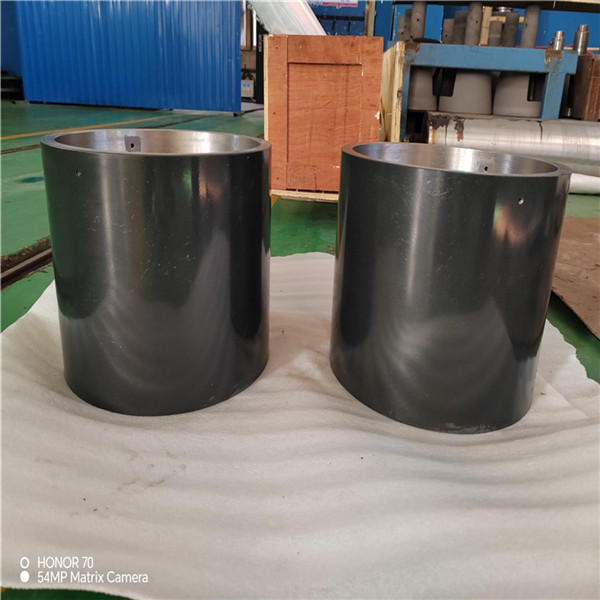
In pumps, wear concentrates in the seal chamber or stuffing box. Packing compresses on a narrow band. Mechanical seals also ride on a defined track. If the track is damaged, the seal cannot “average it out.” Leaks and heat follow.
A Shaft Sleeve sits in this zone and becomes the running surface. Many pump sleeves also include end sealing features. They reduce bypass leakage under the sleeve, which helps prevent hidden corrosion on the shaft.
Slurry service is harsh on seal zones. Solids can enter the seal area and score the track. Packing can trap grit and grind the surface. Even good flushing can miss upset events.
A wear-focused Shaft Sleeve or coated sleeve can extend life here. It also helps you isolate wear to one part. Pair it with process improvements, like better flush plans or barrier systems, for the best results.
Motors and gearboxes often use lip seals. Those seals ride on a narrow band too. If the band is worn, oil leaks and contamination enters. Many facilities use thin repair sleeves to restore that band fast.
A Shaft Sleeve repair can save a teardown in these assets. Clearance can be tight, so flange style and sleeve length matter. A correct install restores a smooth track and reduces repeat leaks.
Note:If runout is high, fix bearings or alignment before you expect sleeve success.
Seal performance depends on the surface it runs on. Rough surfaces tear lips and chew packing. Out-of-round surfaces create uneven contact pressure. High runout drives wobble, which heats mechanical seal faces.
A Shaft Sleeve gives you a way to control finish and geometry. You can specify a finish range and verify it at receiving. You can also measure runout after installation and correct problems before startup.
Leakage does not only pass through the seal faces. It can creep under the sleeve if end sealing is weak. Trapped fluid under the sleeve can start crevice corrosion. That damage stays hidden until the next teardown.
Many sleeves use O-rings, gaskets, or shoulders to block that path. Some repairs use a thin non-hardening sealant film. The goal is simple: stop bypass under the Shaft Sleeve and keep the base shaft dry.
Packing tolerates more surface variation, yet it generates more heat. It also can groove a track when over-tightened. A sleeve for packing often benefits from better wear resistance.
Mechanical seals demand better runout and smoother finish. They are sensitive to wobble and scratches. A Shaft Sleeve for mechanical seals should prioritize concentricity and surface quality, plus stable end sealing in wet service.
Note:Treat sleeve finish like a seal part, not like raw stock.
Many sleeves use stainless to resist corrosion at the seal area. Carbon steel can work in clean, dry services, yet it often pits in wet zones. If your service has chlorides or frequent washdown, upgrades can pay back quickly (needs verification for your chemistry).
Upgrade when the failure mode is clear. If you see pitting, improve corrosion resistance and end sealing. If you see grooves, improve hardness or coatings. Align material choice to the real driver, not to habit.
In abrasive duty, hardness slows scoring and plowing. Hardened sleeves can help packing and grit service. Coatings can push wear life much further in slurry duty.
Coatings still need good finish control. A rough coated surface can damage seals quickly. Also, brittle coatings may chip under shock or misalignment. Choose them when abrasion is the top driver and rotor stability is acceptable.
Solid sleeves generally run more concentric. They install during disassembly and suit planned maintenance. Split sleeves help when access is limited. They can save time, yet they can increase runout risk if assembly is uneven.
Flanges help installation and positioning. They also help drive thin repair sleeves. Flangeless sleeves fit tighter spaces and suit compact seal chambers. For any Shaft Sleeve, clearance checks prevent surprises during installation.
Interference fit is common for stable sleeves. It relies on a precise ID fit and correct installation practice. If fit is loose, fretting can start and the sleeve can move.
Set screws simplify field work, yet they can scar shafts and loosen under vibration. Clamp and lock designs ease removal and adjustment. Pick retention based on service, access, and how often you expect replacement.
A sleeve is ideal when damage is local and the shaft is straight. Grooves at the seal band are a classic case. Light pitting can also be managed when end sealing is improved.
Sleeves also make sense when downtime is the main constraint. You can restore a surface quickly without machining. A Shaft Sleeve also helps when you want standard spares across similar assets.、
A sleeve cannot straighten a bent shaft. It also cannot cure misalignment or failing bearings. If runout is high, the seal will still wobble. You may see heat and early leakage again.
Deep corrosion can also defeat a sleeve repair. It can reduce fit and create hidden weak zones. Cracks and keyway damage are structural problems. In those cases, repair or replacement of the shaft is the safer path.
Start by measuring the shaft at the wear band in several angles. Record the smallest value and the ovality. Then confirm available clearance in the seal chamber or housing. Confirm sleeve length will cover the full wear band plus margin.
Next, select sleeve type by failure driver. Choose corrosion-focused designs for pitting risk. Choose hardened or coated designs for abrasion. Choose a Shaft Sleeve style that fits your access limits and retention preferences.
Failure driver | Recommended sleeve type | Material / surface direction | Key measurement to confirm |
Abrasion and grooving | Wear sleeve or coated sleeve | Hardened or wear coating | Track width and groove depth |
Corrosion and pitting | Corrosion-protection sleeve | Stainless or upgraded alloy | End sealing and fit zone condition |
Fast field restoration | Shaft repair sleeve | Thin-wall stainless style | Clearance for flange and length |
Seal instability | Seal-track sleeve | Controlled finish and geometry | Runout at seal band |
During seal service, inspect the sleeve track by touch and light. If you feel a ridge, the seal will feel it too. Check the sleeve ends for staining, which can indicate bypass. Check the fit zone for fretting dust.
Replace sleeves before the groove becomes sharp. Sharp grooves cut packing and raise leakage fast. Keep spares for critical assets and document the sleeve type used. This makes the next repair faster and more consistent.
Note:Many repeat leaks come from skipping runout checks after sleeve work.
A Shaft Sleeve protects the shaft where damage starts first. It takes wear from seals or packing and blocks corrosion in wet service. It also gives seals a stable track, so leakage and heat stay under control. When you replace the sleeve instead of the shaft, you cut downtime and repair cost.
For dependable sleeve quality and support, Jinan Tanmng New Material Technology Co., Ltd. can help. Their Shaft Sleeve solutions offer consistent sizing, material options, and service guidance, so you can extend shaft life and keep maintenance more predictable.
A: A Shaft Sleeve protects the seal-track surface, so the shaft avoids grooves and pitting.
A: Shaft Sleeve gives seals a smoother, more stable running surface, which improves sealing.
A: Use Shaft Sleeve for localized wear bands or light pitting when the shaft is still straight.
A: Shaft Sleeve fails fast when runout is high, fit is loose, or abrasion is severe.
A: Shaft Sleeve lowers cost by replacing a wear part, not a full shaft, during seal service.


