
Views: 0 Author: Site Editor Publish Time: 2026-01-15 Origin: Site


A sleeve can look like a simple tube, yet it can save a shaft and a shutdown. Pick the wrong type, and leaks and wear return fast. That is why many teams ask the same question: which sleeve do we actually need?
In this article, we explain What are the different types of shaft sleeves? You will learn how each Shaft Sleeve type is used, how it installs, and which problems it solves. We will also share quick selection rules for abrasion, corrosion, and seal stability.
A wear sleeve exists to take damage first. Seals, packing, grit, or rubbing events attack it. The shaft stays safe underneath. You replace the sleeve during planned maintenance.
These sleeves work best when wear is localized. If the whole shaft is worn or bent, a wear sleeve will not solve root causes. It still helps when the seal track is the main failure point.
Corrosion sleeves protect the shaft from fluid exposure. They often sit at seal chambers, wet zones, or splash areas. They block pitting and crevice damage on the base shaft.
They matter in seawater, chloride brines, and mild acids. A corrosion-focused Shaft Sleeve often pairs with end sealing, like O-rings. It stops fluid from creeping under the sleeve.
Repair sleeves are thin and quick to install. They restore a worn seal track without machining. Many come in standard sizes and include a driver flange.
They are popular for lip seals and light duty sealing bands. They are less ideal for severe slurry wear. Their thin wall can deform during removal, so teams treat them as one-time parts.
Bearing sleeves create a stable journal where bearings ride. They are common when the base shaft material is not ideal for bearing contact. They can also help standardize fits across shaft variants.
These sleeves need tight roundness and surface finish control. If they slip, bearing damage can spread fast. A bearing sleeve is not the same as a seal-track sleeve, even if they look similar.
Seal-track sleeves are designed for sealing contact. They focus on surface finish, concentricity, and runout control. Many pump OEM sleeves fall into this group.
For packing, the sleeve must resist grooving and heat. For mechanical seals, it must run true and stay smooth. A seal-track Shaft Sleeve often includes end sealing features to prevent bypass corrosion.
Some sleeves act as spacers or locating features. They set axial position for seals, impellers, or couplings. Others include shoulders, grooves, or reliefs to manage clearances.
These sleeves can look “simple,” yet they control critical stack-up dimensions. If you swap them for a generic sleeve, seal setting length can change. That can cause early leakage and heat.
Type | Main job | Best use case | Common warning sign |
Wear sleeve | Take abrasion first | Grooves at seal track | Wear spreads beyond track |
Corrosion sleeve | Block pitting and crevice | Wet seal chambers | Pitting under sleeve ends |
Repair sleeve | Fast surface restoration | Lip seal track repair | Clearance too tight for flange |
Bearing sleeve | Provide bearing journal | Replaceable bearing surface | Fretting dust at fit |
Seal / packing sleeve | Support sealing contact | Mechanical seal stability | Runout causes hot seals |
Spacer / feature sleeve | Control stack-up geometry | Axial location control | Seal setting length shifts |
Tip:When you order a sleeve, name its purpose, not just its size.
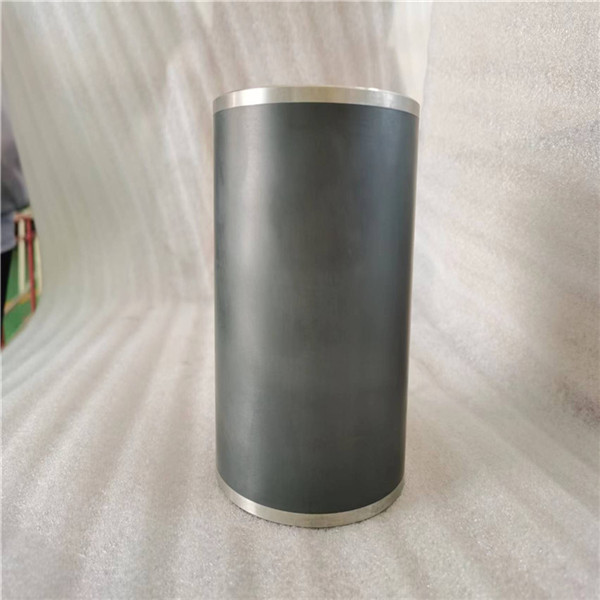
Solid sleeves install by sliding over the shaft. They usually need partial disassembly. They tend to run more concentric because there is no split line.
Split sleeves install around the shaft in place. They help when teardown is hard. They need careful clamping and alignment. If the split line lifts, runout rises and seals suffer.
A flange helps drive the sleeve into position. It also sets a positive stop in many designs. This makes installation more repeatable for field teams.
Flangeless sleeves fit tight spaces better. They suit compact seal chambers and close clearances. They require more care during positioning because there is no built-in stop.
Interference fit sleeves rely on a tight ID fit. They install by heating, driving, or both. They resist micro-motion when fit is correct.
Clamp and lock designs use nuts, collars, or split clamps. They are easier to service in some cases. Set-screw styles are simple, yet they can scar shafts. They can also loosen under vibration if not secured well.
Renewable sleeves are meant to be replaced as wear parts. Many seal-track sleeves fall here. You treat them like consumables in high-wear services.
Permanent sleeves are integrated into the shaft design. They may be shrink-fit and not intended for routine removal. They can still be replaced, yet the process can be more complex and risky.
Design choice | Why teams use it | Main advantage | Main trade-off |
Solid sleeve | OEM pumps, standard drives | Better concentricity | Needs disassembly |
Split sleeve | Hard-to-access equipment | Field install possible | Higher runout risk |
Flanged sleeve | Repair sleeves, quick installs | Easier driving and control | Needs clearance for flange |
Interference fit | High stability needs | Low micro-motion | Fit must be correct |
Clamp / lock | Service-friendly designs | Easy removal | More parts, more checks |
Note:If the sleeve can move, it will fret, heat up, or leak.
Stainless sleeves are common for wet services. They resist many corrosion drivers better than carbon steel. They are often used in pump seal chambers and marine environments.
Alloy choices should match the fluid, not guesswork. If chloride pitting is common, upgrade materials and improve end sealing. A corrosion sleeve still needs a clean, controlled fit.
Bronze sleeves show up in bearing-related designs. They can provide good compatibility in certain bearing pairs. They can also reduce galling risk in some fits.
These sleeves are not the first choice for abrasive slurries. They can wear faster under grit. Use them where bearing behavior is the priority, not abrasion resistance.
Hardening raises surface durability for wear. It helps when packing cuts grooves fast. Some sleeves use heat treatment or plated wear surfaces.
Hard surfaces help, yet they can still fail if solids are severe. They also require good finish control for seals. For many mechanical seals, a smooth track finish is critical (0.4–0.8 μm Ra is often cited, needs verification).
Coated sleeves target extreme abrasion or harsh chemicals. They can use sprayed coatings, carbide layers, or ceramic surfaces. These options can extend life in slurry pumps and process duties.
Coatings often require finish grinding. If finish is wrong, seals wear quickly. Also, coatings can chip under shock loads. Match them to duty and vibration levels.
Option | Best fit | Main value | Main caution |
Stainless | Wet and mild chemical service | Corrosion resistance | Pitting if chemistry is harsh |
Bronze | Bearing sleeves | Good bearing compatibility | Not ideal for grit |
Hardened steel | Packing wear and scoring | Less grooving | Needs stable finish control |
Plated wear surface | Seal tracks and light abrasion | Hard surface layer | Can crack if misused |
Carbide / ceramic coating | Severe slurry abrasion | Very high wear resistance | Finish grind required |
Tip:Pick material by the failure driver, then verify seal finish needs.
Pump sleeves often focus on the seal chamber. They protect the seal track and reduce shaft replacement needs. Many include end sealing features to stop bypass leakage.
They also need good concentricity. If runout is high at the track, seals run hot. Pump sleeves often become standard spare parts because they are replaced during seal jobs.
Motor and gearbox sleeves often support lip seals. They restore a clean running band on a shaft or stub shaft. These units often have tighter clearances than pumps.
Repair sleeves are common here because they install quickly. Flange clearance becomes a key check. If a flange hits a housing, it must be trimmed or removed.
Marine services bring saltwater exposure and long wet cycles. Corrosion becomes the main failure driver. Sleeve materials often need higher corrosion resistance and better end sealing.
Crevice corrosion risk rises when fluid sits under a sleeve. Clean assembly matters more than many teams expect. End seals and proper fit reduce hidden under-sleeve attack.
Slurry duties bring solids and erosion. Wear sleeves and coated sleeves are common. Packing in slurry service can cut deep grooves fast, so hardness and flush plans matter.
Coatings can extend life when abrasion is extreme. Yet they must be finished correctly for sealing. If vibration is high, consider whether brittle coatings fit the risk profile.
First, name what is actually failing. If you see grooves, abrasion is the driver. If you see pits, corrosion is the driver. If seals burn fast, runout or heat may be the driver.
Then match sleeve type to that driver. Wear sleeves and coatings suit abrasion. Corrosion sleeves and end sealing suit pitting. If runout is high, fix the rotor system first. A Shaft Sleeve cannot cure a bent shaft.
Sleeve OD must fit the seal system. Concentricity keeps the seal track stable. Runout limits heat and face wobble. Finish controls leakage and seal wear.
Measure the track zone before you order. Confirm sleeve length covers the entire contact band. Also confirm clearance for flanges and shoulders. These checks prevent “right part, wrong fit” failures.
Under-sleeve sealing prevents bypass and hidden corrosion. Many sleeves use O-rings at one end. Some use gaskets or designed shoulders. Some repairs use a thin non-hardening sealant film.
Pick the approach that matches your service. If pitting appears under sleeves, improve end sealing first. It is often a bigger lever than changing seal brands.
A cheaper sleeve can cost more if it fails early. A better sleeve can reduce seal swaps and unplanned stops. Consider downtime, labor, and lost production as part of cost.
Standardize sleeve types across similar assets when possible. It reduces spare count and training time. It also improves repair repeatability across crews.
Tip:Build a short sleeve “spec card” per asset family for faster purchasing.
If leakage returns fast, the sleeve track may be grooved or rough. A repair sleeve may be too thin for heavy packing wear. A corrosion sleeve may resist pitting, yet it may not resist abrasion.
Inspect the track before swapping seals again. Check surface feel and runout. If the sleeve type does not match the driver, upgrade the type, not just the seal.
If sleeves groove quickly, solids and friction are likely the cause. Switching stainless grades may not help much. You may need hardness, coatings, or improved flush.
Also check packing load and startup practices. Over-tight packing can destroy any sleeve. A wear-focused Shaft Sleeve works best when operating practices are stable.
Pitting under a sleeve often points to bypass leakage. Fluid creeps under the sleeve and sits there. Corrosion starts where oxygen cycles create a crevice environment.
End seals, clean assembly, and correct fit reduce this risk. If it repeats, upgrade end features and materials. Do not ignore it, since it can reduce shaft integrity over time.
A sleeve can restore a surface, yet it cannot straighten a shaft. If vibration rises after sleeve work, check runout and bearing condition. Also check if a split sleeve installed cocked.
Fix rotor issues before you blame sleeve type. A stable shaft system lets any sleeve deliver its intended value.
Shaft sleeves come in clear families, and purpose is the fastest way to choose. Wear sleeves fight abrasion, corrosion sleeves stop pitting, and repair sleeves restore seal tracks fast. Bearing and seal-track sleeves focus on stability, finish, and runout control. When you match the sleeve type to the real failure driver, you cut leaks and extend shaft life.
For consistent quality and reliable supply, Jinan Tanmng New Material Technology Co., Ltd. can support your projects. Their Shaft Sleeve solutions cover different materials and designs, helping you improve wear resistance, control corrosion, and reduce downtime through dependable service.
A: Shaft Sleeve types include wear, corrosion, repair, bearing, seal-track, and spacer-feature sleeves.
A: Match the Shaft Sleeve to the driver: grooves need wear resistance, pitting needs corrosion control, and high runout needs rotor fixes first.
A: A shaft repair sleeve is thin-wall for fast track restoration; a full Shaft Sleeve is often thicker and may include sealing features.
A: Shaft Sleeve leaks often come from wrong finish, poor positioning, high runout, or bypass under the sleeve ends.
A: Coated or hardened Shaft Sleeve options cost more upfront, but they can reduce downtime and repeat seal changes in abrasive duty.


