
Views: 0 Author: Site Editor Publish Time: 2026-01-04 Origin: Site


A seal can fail for one simple reason. The shaft surface gets worn or pitted. Once it happens, leaks rise fast and repairs get expensive. A Shaft Sleeve is often the quickest way to stop the damage.
In this article, we answer: How does a shaft sleeve work? You will learn where it sits, how it protects the shaft, and how it supports packing or mechanical seals. We also cover fit, materials, and quick checks that prevent repeat failures.
Wear concentrates at the stuffing box or seal chamber. Packing presses on one narrow band. Mechanical seals also ride in that band. If solids enter, they grind a track quickly. A Shaft Sleeve covers that band and absorbs the damage.
You usually see sleeves in pumps, mixers, and gearboxes. They sit where the seal touches metal. They can also protect lip seal tracks on rotating inputs. The goal stays the same. It shields the expensive shaft diameter.
Packing needs a stable, round surface to seal well. A sleeve gives it a predictable finish. Mechanical seals also benefit from low runout. They hate wobble and hard spots. The sleeve becomes the surface they “trust.”
Bearings affect shaft motion near the seal. If bearings loosen, the sleeve sees more deflection. That extra motion raises face heat and wear. So the sleeve works best in a healthy rotor system. It does not “fix” vibration by itself.
A Shaft Sleeve is meant to wear first. It is a sacrificial part by design. When you see grooves, you replace the sleeve. You do not machine the shaft every time.
This changes repair economics. Shaft replacement can mean full teardown. It can also mean re-balance and new bearings. Sleeve replacement often happens during seal work. It keeps downtime shorter and costs lower.
Fluids attack metal in different ways. Chlorides can cause pitting. Acids can trigger rapid metal loss. Slurries can erode surfaces like sandpaper. A Shaft Sleeve lets you upgrade only the exposed zone.
You can pick a better alloy for that zone. You can also add a hard coating for abrasion. This approach avoids overbuilding the whole shaft. It targets the failure point where it matters most.
Equipment | Typical sleeve location | Main threat | What the sleeve protects |
Centrifugal pump | Seal chamber | Grooving, corrosion | Shaft seal surface |
Slurry pump | Seal chamber | Abrasive erosion | Base shaft diameter |
Mixer | Seal area | Runout, rubbing | Shaft finish and fit |
Gearbox input | Lip seal area | Wear track | Seal contact band |
Tip:If wear repeats in one band, sleeve it and log the depth.
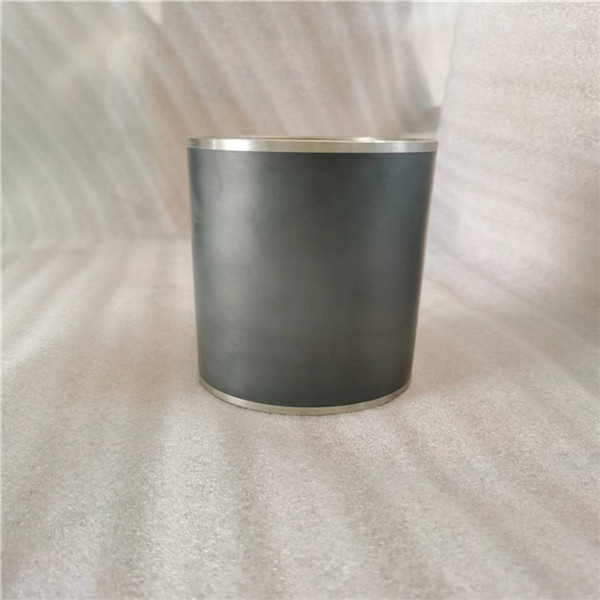
Seals need a smooth and round running surface. Packing needs a stable surface to seat properly. If the shaft has marks, leakage rises fast. A Shaft Sleeve restores the surface without shaft rework.
Mechanical seals also depend on surface quality. If the sleeve wobbles, faces heat up. If it has grooves, fluid leaks past. A good sleeve gives the seal a consistent track. It reduces hot spots and uneven wear.
Leakage does not only pass through the seal faces. It can also creep under the sleeve. That is bypass leakage, and it causes hidden corrosion. Many sleeves use an O-ring at one end. Some use a gasket or sealant film.
Your goal is a tight static seal at the sleeve joint. If it fails, fluid sits under the sleeve. Then crevice corrosion starts. It often appears as pitting under the overlap. Good static sealing stops that failure mode.
Solid sleeves are common in pumps and standard drives. They install during disassembly, then lock in place. They usually give better roundness and rigidity. They also seal more easily at the ends.
Split sleeves help in hard-to-teardown equipment. They can install around the shaft in the field. Yet they need careful clamping to stay concentric. If the split line lifts, runout increases. Then seal wear accelerates.
Many sleeves use interference fit. You heat the sleeve, then slide it on. It shrinks and grips as it cools. Other designs use lock nuts or clamp rings. Set screws are simple, but they can scar shafts.
For a Shaft Sleeve, four numbers matter most. They are ID fit, OD size, runout, and surface finish. Poor ID fit causes fretting and spin. Poor OD size affects clearances and seal loading. High runout heats seals and shortens life. Rough finish increases leakage and wear.
Note:A perfect seal cannot survive a bad sleeve runout.
316 stainless is a common baseline for many services. It handles many water and mild chemical duties. Duplex stainless can improve chloride resistance (needs verification). Nickel alloys can help in aggressive acids (needs verification).
Start by matching the fluid chemistry to the alloy family. Then confirm temperature limits for your seal system. If corrosion drives failures, alloy choice matters more than hardness. Fix chemistry first, then tune wear performance.
If you see deep grooves, solids are likely the driver. Harder sleeves resist scoring and plowing. Hardened stainless or hardfaced surfaces can help. They reduce wear from packing and grit.
Hardness alone is not a full solution. Abrasion also depends on particle size and speed. If solids stay high, consider better flushing or barrier plans. A Shaft Sleeve buys time, but process controls extend life even more.
Coatings can deliver very high surface hardness. HVOF coatings often resist abrasive wear well (needs verification). Ceramic coatings can handle severe slurry service. Many coatings need finish grinding after spray. It sets the final OD and finish.
Finish quality protects seals. A rough coating can eat packing fast. It can also cause seal face damage. Always confirm the final finish requirement. Then confirm the vendor can hit it repeatedly.
Use the duty “driver” to guide selection. Corrosion-driven failures need better alloys and end sealing. Abrasion-driven failures need hardness or coatings. Heat-driven issues need better alignment and cooling. A Shaft Sleeve works best when you match it to the driver.
Option | Best for | Main value | Main caution |
316 stainless | Water, mild chemicals | Good corrosion resistance | Pitting in chlorides |
Duplex stainless | Chloride exposure | Better pitting resistance | Higher cost |
Hardened stainless | Packing wear, grit | Less scoring | Hardness variation risk |
HVOF hard coating | Slurry abrasion | High wear resistance | Needs finish grinding |
Ceramic coating | Severe abrasion | Very hard surface | Brittle under shock |
Tip:Ask for hardness and runout records per sleeve batch.
Grooves often come from solids or heavy packing load. Dry running events can also score sleeves quickly. Early signs include rising leakage and gland heat. You may also see darkened packing rings.
Start by checking the sleeve track and seal faces. If you feel a sharp groove, replace the Shaft Sleeve. Then find the driver. Improve flush plans, adjust packing load, or review seal selection. Otherwise the new sleeve will fail again.
Fretting comes from micro-motion at the fit. It often shows as reddish dust and dull contact bands. A loose sleeve can also rotate on the shaft. That motion ruins sealing and damages the fit area.
Check shaft diameter and sleeve ID against the fit spec. Review your installation method and heat control. If it uses set screws, check for shaft marks. If it uses shrink fit, confirm proper interference. A stable fit prevents most fretting issues.
Crevice corrosion starts when fluid sits under the sleeve. Bypass leakage is a common cause. Poor end sealing lets fluid creep into the overlap. Then oxygen cycles drive pitting and metal loss.
Replace O-rings during each sleeve change. Inspect grooves for nicks and dirt. If pitting repeats, upgrade alloy or redesign end seals. You can also improve drain paths to reduce trapped fluid. These steps protect both sleeve and shaft.
Inspection should be quick and repeatable. Measure sleeve OD at the seal track. Measure runout using a dial indicator. Check finish using a comparator or vendor data. Record it so you can see trends.
Stock sleeves and end seals as critical spares. Keep them by model and revision. Ask suppliers about tolerance control and QA steps. Request an inspection report format before approval. This reduces surprises during shutdowns.
Symptom | Likely sleeve-related cause | Fast check | Common fix |
Rapid seal wear | High runout, rough finish | Dial indicator runout | Reinstall or replace sleeve |
Higher leakage | Grooved sleeve track | Visual and fingernail check | New sleeve, adjust packing |
Red dust at fit | Fretting from loose ID | Inspect fit zone | Correct interference fit |
Pitting under sleeve | Bypass leakage | Check end seal seat | Improve sealing, upgrade alloy |
A Shaft Sleeve protects the shaft by taking wear first. It gives seals and packing a stable running surface. Good fit, finish, and end sealing help reduce leaks. Smart material or coating choices extend life in harsh duty.
For reliable performance and fast repairs, Jinan Tanmng New Material Technology Co., Ltd. can support your needs. Their Shaft Sleeve solutions help improve wear resistance, control corrosion, and reduce downtime through consistent quality and service support.
A: A Shaft Sleeve is a replaceable tube that protects the shaft in the seal area.
A: A Shaft Sleeve takes wear and provides a smooth surface for packing or seals.
A: Shaft Sleeve failures often come from poor fit, high runout, or abrasive solids.
A: Pick Shaft Sleeve material by fluid chemistry, speed, temperature, and wear type.
A: Check Shaft Sleeve grooves, end sealing, and runout before changing the seal.


