
Views: 0 Author: Site Editor Publish Time: 2026-03-10 Origin: Site


Industrial rollers are critical components in many manufacturing processes, from automotive to food production. Over time, even the best rollers can wear out, leading to performance issues or downtime. This raises the question: Can industrial rollers manufacturers repair or refurbish old rollers? The answer is yes, and this process can be a cost-effective alternative to purchasing new rollers. In this article, we'll explore the differences between repair and refurbishment, the benefits of each, and how manufacturers handle this process.
When industrial rollers become worn or damaged, manufacturers have two main options: repair or refurbishment. While both involve restoring the roller to a functional state, there are key differences in terms of scope and cost.
Repair focuses on fixing specific issues that arise due to wear and tear. For example, if a roller has surface damage or malfunctions in a particular section, the repair will address only those areas. This is typically a more targeted approach and is often the most cost-effective solution for minor damage.
Refurbishment is a more comprehensive process that involves restoring the entire roller to like-new condition. This may include stripping the roller down, repairing any damage, and re-coating the surface. Refurbishment often involves more work but provides a fully restored product with enhanced performance. It is a good option when the roller has significant wear or damage that would affect its long-term functionality.
Feature | Repair | Refurbishment |
Scope | Fixing specific damages or malfunctions | Overhauling the entire roller |
Cost | Generally lower cost | Typically more expensive due to extensive work |
Time Required | Faster turnaround time | Longer due to complete restoration |
Extent of Work | Limited to damaged areas | Involves re-coating, rebalancing, and resurfacing |
Longevity | Short-term fix if damage is minor | Longer-lasting solution with improved performance |
Roller repair is a targeted solution used when the roller is experiencing localized damage. The primary goal of a repair is to restore functionality without undergoing a complete overhaul. The repair process generally includes the following steps:
The first step in repairing an industrial roller is to assess the extent of the damage. This includes examining the roller for issues such as worn-out surfaces, cracks, or malfunctioning components. By identifying the problem areas, manufacturers can determine the best course of action.
Once the damage is assessed, a variety of repair techniques are used to address the issues. Common methods include:
· Grinding: Used to smooth rough surfaces or remove wear marks.
· Re-coating: When the coating on a roller becomes damaged or worn, manufacturers can apply a fresh layer of material to restore its protective function.
· Component Replacement: If specific parts of the roller are worn out, such as bearings or seals, they can be replaced to restore functionality.
After the repair is complete, the roller undergoes testing to ensure it meets the required performance standards. This helps manufacturers ensure that the repaired roller can function effectively in its intended application.
Refurbishment is a more extensive process that goes beyond simply repairing damaged areas. It is typically employed when a roller has significant wear and cannot be effectively repaired through simple fixes. The refurbishment process aims to restore the roller to its original performance level, and may involve:
Refurbishment begins with disassembling the roller to inspect all of its parts. Any components that are excessively worn or damaged are replaced. This may include bearings, seals, or the roller's internal structure. Refurbishing the roller helps eliminate any weaknesses that might affect its performance.
Once the internal components are repaired or replaced, the roller is often re-coated with a protective layer, such as chrome plating, polyurethane, or ceramic coating. The coating restores the roller's durability and enhances its resistance to wear, heat, and corrosion. The re-coating process can also include additional surface treatments like polishing or grinding to ensure a smooth, uniform finish.
After the refurbishing process, it is crucial to ensure that the roller is properly balanced and aligned. Imbalance or misalignment can cause vibrations that may damage the roller and surrounding equipment. The refurbishment process includes precise adjustments to ensure the roller is in optimal condition for smooth operation.
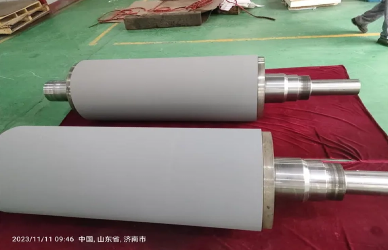
Repair and refurbishment offer several key benefits to businesses, including:
Repairing or refurbishing old rollers is often much more affordable than purchasing new ones. When the damage is not extensive, a quick repair can restore functionality at a fraction of the cost of a new roller. Even for more complex refurbishments, businesses can still save a significant amount of money compared to the cost of new equipment.
Repair and refurbishment are environmentally friendly options because they reduce the need for manufacturing new rollers, which involves raw material extraction and energy consumption. By extending the lifespan of rollers, companies can contribute to reducing waste and the environmental footprint of their operations.
Both repair and refurbishment help restore the roller’s performance to its original state, ensuring that it can handle the demands of its application. For example, re-coating a roller can improve its resistance to wear and corrosion, extending its functional life and ensuring smooth, efficient operation.
While repair and refurbishment can significantly extend the life of industrial rollers, there are specific situations in which replacing the roller entirely becomes the more effective option. When rollers experience extensive damage or performance degradation that cannot be effectively repaired, replacing them might be the best solution. Below are key factors to consider when deciding whether to repair or replace a roller.
In cases where a roller has sustained extensive damage, such as severe internal wear, structural failure, or irreparable surface damage, it may no longer be suitable for repair or refurbishment. For example, if the roller’s core structure is compromised or if cracks or fractures have occurred, repairing or refurbishing the roller may not restore its performance to a safe or efficient level. In such instances, replacement is the only option that guarantees reliable performance and prevents the risk of failure during operation.
If the cost of repair or refurbishment approaches the cost of a new roller, replacing the roller may be more cost-effective. In some cases, the time and resources required for extensive repairs or refurbishing may make the process nearly as expensive as purchasing a new roller. When this occurs, it’s often more prudent to invest in a new roller that comes with a warranty, improved technology, and a longer expected lifespan, reducing long-term maintenance costs.
If the roller’s performance is severely compromised, and repairing or refurbishing it does not restore its original capabilities, replacement may be the most reliable solution. For example, if a roller is consistently failing to meet performance standards or causing frequent downtime due to persistent issues, its efficiency and reliability will continue to decline. In industries where uninterrupted production is critical, replacing the roller ensures smooth operations and reduces the risk of system failures, ultimately increasing operational efficiency.
Yes, rollers can often be repaired or refurbished multiple times, as long as the core structure remains intact and the roller can still perform effectively. However, if the roller’s internal components are severely damaged, or if it has reached the end of its useful life, repair or refurbishment may not restore its functionality. In such cases, it may be more cost-effective to replace the roller rather than continue repairing it.
Refurbishing a roller is typically much cheaper than buying a new one. The cost of refurbishment depends on the extent of damage, the materials required for re-coating or repairing, and the roller's condition. In cases where refurbishment is extensive, the cost might be close to the price of a new roller, making it essential to evaluate the cost-effectiveness before making a decision.
Repairing an industrial roller typically takes a few days depending on the damage and the work involved. However, refurbishment is a more complex process and may take a week or longer. The time required for refurbishment depends on factors such as the extent of repairs, the coating process, and any additional balancing or alignment needed.
Rollers should be replaced rather than repaired if they have significant structural damage, extensive internal wear, or if the repair or refurbishment costs are close to the cost of a new roller. If the roller’s performance is compromised and repair efforts fail to restore it to its original functionality, replacement ensures long-term reliability and operational efficiency.
Industrial rollers play a critical role in many industries, and maintaining their performance is essential for smooth operations. Repairing or refurbishing old rollers is a cost-effective and environmentally friendly way to extend their lifespan and restore functionality. Whether through targeted repairs or a complete refurbishment, manufacturers can bring rollers back to optimal performance without the need for costly replacements. The key to choosing the right option lies in assessing the damage, evaluating the cost-effectiveness of repair versus replacement, and considering the long-term benefits of refurbishment.


