
Views: 0 Author: Site Editor Publish Time: 2026-03-11 Origin: Site


When mills search for reliable Paper Machine Parts, one of the most practical questions is not only which parts a machine uses, but which parts wear out first. In modern papermaking, some components are expected to be consumable, while others are designed for longer service but still face aggressive operating conditions. Industry guidance from major papermaking suppliers shows that doctor blades, paper machine clothing such as forming fabrics, press felts, and dryer fabrics, suction roll seals, and various roll covers and coatings are among the most closely monitored wear items because they operate under continuous friction, moisture, heat, pressure, and contamination. Understanding which Paper Machine Parts wear the fastest helps mills reduce downtime, protect sheet quality, and build a smarter spare-parts strategy.
Not all Paper Machine Parts age at the same rate. Components that are in direct and repeated contact with rolls, fabrics, water, stock, filler, pitch, and contaminants naturally wear faster than structural components that mainly provide support. Kadant explains that doctor blades remove water, debris, and contaminants from roll surfaces and are explicitly considered wearing parts that must be replaced regularly, while Valmet describes paper machine clothing as a full family of high-performance consumables that support dewatering and runnability throughout the machine. In other words, the fastest-wearing parts are usually those doing the most direct process work every minute the machine runs.
Papermaking environments are especially demanding because wear does not come from friction alone. Valmet notes that roll covers and coatings in papermaking must be selected according to abrasive contact, local moisture level, temperature, mechanical load, and chemical environment, and dryer-section covers are specifically designed to protect surfaces from wear and corrosion in hot and humid conditions. That combination means a part can degrade through abrasion, thermal stress, chemical attack, contamination build-up, and mechanical fatigue at the same time, which is why even premium Paper Machine Parts still require inspection, cleaning, and planned replacement.
The table below summarizes the Paper Machine Parts most often treated as high-wear or high-attention components in the forming, press, and drying sections, based on guidance from Valmet, Kadant, Voith, and ANDRITZ.
Paper Machine Part | Machine Area | Main Wear Drivers | Typical Effect of Wear | Common Maintenance Response |
Doctor blades | Forming, press, dryer, finishing positions | Continuous roll contact, debris, pitch, filler, incorrect loading | Poor cleaning, streaks, sheet defects, higher maintenance | Frequent inspection and routine blade replacement |
Forming fabrics | Forming section | Abrasion, contamination, tension, damage, drainage stress | Poor formation, drainage problems, shorter run life | Monitoring, cleaning, tension control, scheduled changeout |
Press felts | Press section | Compression, contamination, moisture load, cleaning imbalance | Reduced dewatering, moisture profile issues, runnability problems | Conditioning, wash optimization, felt change planning |
Dryer fabrics | Dryer section | Heat, tension, contamination, long run lengths | Reduced runnability, instability, efficiency loss | Fabric analysis, tension control, planned replacement |
Suction roll seals | Press and pickup positions | Seal friction, wear at shell interface, vacuum duty | Lower vacuum efficiency, poorer dewatering, more maintenance | Seal upgrades, condition monitoring, replacement |
Roll covers and coatings | Throughout machine, especially press/dryer/calender/coater | Heat, moisture, abrasion, chemicals, adhesive build-up | Shorter grinding intervals, unstable operation, quality variation | Regrinding, recoating, material upgrade, replacement |
Among all Paper Machine Parts, doctor blades are one of the clearest consumables. They are used to remove water, pitch, filler build-up, and other contaminants from roll surfaces, so they naturally wear out quickly. As blade wear increases, cleaning efficiency drops and pressure conditions change, which can also increase wear on the roll. Uneven wear, poor holder condition, or misalignment can further reduce doctoring performance. For paper mills, this means doctor blades are often one of the first parts to show wear-related problems such as streaking, poor roll cleanliness, and higher running load.
Forming fabrics are key Paper Machine Parts because they support sheet formation, drainage, and machine stability, but they also face constant abrasion and damage risk. In actual production, they can wear out because of contaminants, hard particles, edge damage, poor cleaning, or incorrect tension. Once the fabric surface or drainage performance declines, the machine may suffer from poorer formation, unstable profiles, and higher defect risk. For this reason, forming fabrics are often high-wear parts that require close monitoring and timely replacement.
Press felts may not look like typical parts, but they are some of the most heavily stressed Paper Machine Parts. In the press section, they must absorb and release water while handling compression, contamination, cleaning showers, and continuous mechanical load. Once a felt becomes plugged, compacted, or uneven, it can reduce dewatering efficiency, cause unstable moisture profiles, and increase sheet breaks. Because of their direct impact on runnability and quality, press felts need close monitoring and timely replacement.
Dryer fabrics are also high-wear Paper Machine Parts, especially on high-speed machines. They work under heat, tension, contamination, and long operating cycles, which makes wear a constant issue. When dryer fabrics lose stability or collect deposits, mills may see lower drying efficiency, poorer runnability, and more instability in the dry end. Regular inspection and maintenance are important to keep them performing well.
Some fast-wearing Paper Machine Parts are small but very important, and suction roll seals are a good example. These seals must resist wear while maintaining vacuum performance in wet operating conditions. When seals wear out, vacuum efficiency drops, dewatering becomes less effective, and energy use and maintenance costs can rise. Even though they are small, worn seals can have a major effect on press-section performance.
Roll covers and coatings are not replaced as often as blades or fabrics, but they are still important wear-sensitive Paper Machine Parts. They must handle abrasion, moisture, heat, mechanical load, and chemical exposure in different machine positions. When covers wear out, they can reduce surface stability, increase doctoring problems, shorten grinding intervals, and raise shutdown costs. Their wear may be slower, but the economic impact is often much greater.
The type of furnish and the level of contamination can greatly affect the wear rate of Paper Machine Parts. Abrasive or sticky materials such as pitch, filler build-up, sand, scale, wax, plastics, and loose particles increase stress on doctor blades, fabrics, covers, and seals. The dirtier and more abrasive the system is, the faster these parts tend to wear.
Wear becomes more serious when it is uneven or happens too early. Incorrect loading, poor alignment, wrong tension, and dirty holders can all shorten the life of Paper Machine Parts. In many cases, early failure is caused not by poor part quality, but by improper machine settings, tracking, or maintenance.
Operating conditions also have a major effect on part life. Moisture, heat, chemicals, and mechanical load can all speed up wear, especially on roll covers, coatings, and suction roll seals. For this reason, mills should not choose Paper Machine Parts based only on price, but also on whether the material and design match the actual machine position and process conditions.
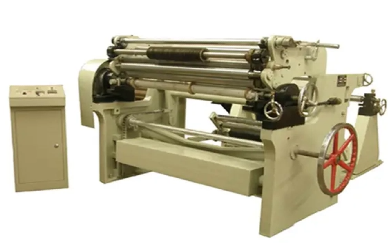
The most effective mills do not wait for fast-wearing Paper Machine Parts to fail. Regular inspection of blades, holders, fabrics, and other wear parts helps identify problems early and allows replacement at the right time. When parts are tracked by condition, performance, and runtime, mills can avoid sheet breaks, defects, and unexpected downtime.
Another effective strategy is to improve material selection instead of always replacing parts with the same grade. Better seal materials, roll covers, coatings, and machine clothing can provide stronger wear resistance, better temperature tolerance, and longer service intervals. For mills running abrasive grades, recycled fiber, or high-speed machines, upgraded materials can improve both durability and process stability.
Not every worn part should be discarded immediately, but not every part should be used beyond its safe life. Blades and fabrics are often treated as consumables, while seals, rolls, and covers may be repaired, reground, recoated, or refurbished depending on their condition. The best choice is usually the one that protects dewatering, cleanliness, and machine runnability while keeping total lifecycle cost under control.
Fast-wearing Paper Machine Parts do more than simply wear out. They directly affect machine cleanliness, paper quality, and production stability. Worn doctor blades reduce cleaning performance, worn press felts weaken dewatering, worn suction roll seals lower vacuum efficiency, and damaged roll covers can affect surface behavior and machine stability. In practical terms, controlling wear is also a key part of controlling paper quality and runnability.
Because these Paper Machine Parts wear naturally in operation, mills should manage them as a system rather than as separate purchases. Keeping commonly used wear parts in stock helps reduce downtime and supports smoother maintenance planning. A strong spare-parts strategy usually includes wear-life records, machine-position specifications, lead times, and condition-based maintenance data. This helps mills turn wear from an unexpected problem into a planned operating cost.
Mills should keep spare Paper Machine Parts that wear quickly and are critical to production, especially doctor blades, key machine clothing, and other parts with short replacement cycles. A practical spare list should be based on machine position, wear history, and downtime risk.
Yes, it often does. Recycled fiber can introduce more contaminants such as wax, plastic, dust, and sticky materials, which increase wear on fabrics, doctor blades, and other sensitive Paper Machine Parts. Mills using more recycled content usually need closer monitoring and better cleaning.
In many cases, yes. Better roll covers and seal materials can improve wear resistance, support stable dewatering, extend service intervals, and reduce total maintenance cost. They are especially valuable in wet, abrasive, or high-temperature conditions.
The best method is to inspect wear patterns and machine conditions together. Uneven or premature wear is often linked to misalignment, incorrect loading, contamination, or poor operating conditions, not just the part material itself.
So, which Paper Machine Parts wear out the fastest? In most mills, the answer consistently includes doctor blades, forming fabrics, press felts, dryer fabrics, suction roll seals, and roll covers or coatings. These parts wear quickly because they face the harshest combination of friction, contamination, moisture, load, temperature, and chemical exposure in the paper machine. The good news is that fast wear does not have to become uncontrolled cost. With proper specification, condition monitoring, planned replacement, and material upgrades, mills can extend service life, reduce downtime, and protect both paper quality and production efficiency. That is the real value of choosing the right Paper Machine Parts supplier and the right maintenance strategy for each machine position.


