
Views: 0 Author: Site Editor Publish Time: 2026-03-17 Origin: Site


Choosing the right materials is one of the most important decisions in the design and manufacture of Paper Machine Parts. A paper machine works in a demanding environment where moisture, heat, pressure, chemicals, abrasion, and continuous movement are present at the same time. Because of that, no single material is suitable for every position. A drying cylinder, a vacuum press roller, a doctor blade, and a forming fabric all face different operating conditions, so they require different combinations of strength, corrosion resistance, heat transfer, wear resistance, flexibility, and service life. Tanmng’s own Paper Machine Parts page reflects this clearly by listing products such as vacuum press rollers, large rubber rollers, and cast iron drying cylinders, while major industry suppliers such as ANDRITZ, Voith, and Valmet describe broader material families including stainless steel, bronze, rubber, polyurethane, ceramic, composite materials, and engineered polymers for paper machine clothing.
In Paper Machine Parts, material selection always starts with machine position and operating duty. Wet-end and vacuum-related components must resist corrosion and moisture, press-section parts must handle load and water removal, and dryer-section components must maintain stability in high-temperature conditions. That is why suppliers do not describe paper machine materials in generic terms; instead, they match specific materials to specific operating environments. Voith, for example, specifies duplex stainless steels for suction roll sleeves in corrosive wet-end conditions, while Tanmng highlights cast iron for drying cylinders because of its ability to support even heat transfer during paper drying.
The material used in Paper Machine Parts does more than determine whether a part is strong enough to survive. It also affects machine efficiency, sheet quality, maintenance intervals, and lifecycle cost. ANDRITZ describes its roll-cover portfolio as being engineered to improve product quality, machine efficiency, energy savings, and running life, while Valmet presents its forming fabrics, press felts, and dryer fabrics as critical elements in paper machine performance. In other words, the right material helps a mill run longer and more stably, while the wrong one may create extra wear, poor dewatering, unstable profiles, or frequent shutdowns.
Among traditional metallic materials used in Paper Machine Parts, cast iron remains highly relevant, especially for drying cylinders. Tanmng specifically states that a cast iron drying cylinder is used to heat and dry the paper, and that the cast iron material helps transfer heat evenly so the paper can dry uniformly. This makes cast iron a practical choice where thermal stability and consistent heat distribution matter more than lightweight construction. In paper production, uniform drying directly supports product quality, so cast iron continues to be a proven material for this type of part.
Stainless steel is one of the most common materials in modern Paper Machine Parts because it combines corrosion resistance with good mechanical strength. Voith states that for long-term use in the corrosive environment of the paper machine wet section, it uses duplex stainless steels for suction roll sleeves, linking that material choice directly to long service life. Stainless steel is therefore especially valuable in machine positions exposed to water, chemicals, and continuous vacuum duty, where ordinary steels may corrode too quickly or lose reliability over time.
Although stainless steel receives more attention in many modern discussions, bronze and other metallic alloys still appear in specialized Paper Machine Parts. Voith’s historical manufacturing information refers to stainless steel and bronze suction shells, showing that bronze has long been used in papermaking roll technology. Valmet’s doctor blade portfolio also includes bronze blades and stainless steel blades for selected applications, indicating that metallic materials are still useful where corrosion resistance, contact characteristics, or anti-sparking behavior are needed. These examples show that metallic design in papermaking is not limited to one alloy family; it is position-specific and performance-driven.
Rubber is one of the most established non-metal materials in Paper Machine Parts, especially in rollers, covers, and sleeved roll designs. Tanmng’s category page includes large-diameter rubber rollers among its representative paper machine products, and ANDRITZ describes a broad roll-cover portfolio that includes high-performance rubber designs for demanding paper machine positions. Rubber remains popular because it offers a useful combination of resilience, surface compliance, and machine-position adaptability, especially where contact behavior, grip, cushioning, or surface stability are important in production.
Polyurethane is another major material family used in Paper Machine Parts, particularly for roll covers and high-load positions. ANDRITZ lists polyurethane among its core cover technologies and also notes that it manufactures specialized roll covers from polyurethane for pulp and paper applications. Voith’s roll-related history also refers to polyurethane cover activity as part of its development in roll-cover technology. Compared with many conventional elastomer applications, polyurethane is often chosen when mills need better wear resistance, longer running life, and stronger performance in demanding machine positions.
The table below summarizes common material-to-application matches described across Tanmng, ANDRITZ, Voith, and Valmet sources for Paper Machine Parts.
Material | Typical Paper Machine Parts | Main Benefit | Typical Operating Need |
Cast iron | Drying cylinders | Even heat transfer, structural stability | Drying section |
Duplex stainless steel | Suction roll sleeves, wet-end vacuum parts | Corrosion resistance, long service life | Wet and corrosive environments |
Bronze | Suction shells, selected doctor blades | Corrosion resistance, specialized contact behavior | Vacuum systems, selected blade uses |
Rubber | Large rollers, roll covers, rubber-sleeved rolls | Resilience, surface compliance, versatility | Pressing, guiding, roll surface functions |
Polyurethane | Roll covers, demanding roll positions | Wear resistance, longer running life | High-load or abrasive conditions |
Ceramic | Roll covers, ceramic rolls, drainage products, blade-facing positions | High wear resistance, stable surface properties | High-wear applications |
Composite / fiber composite | Specialized roll covers | Strength-to-weight benefits, engineered performance | Demanding customized positions |
PA / PET engineered polymers | Forming fabrics, press felts, other clothing | Process-specific fabric performance | Forming, pressing, drying |
Ceramic materials are increasingly important in Paper Machine Parts that face strong abrasion, surface wear, or long-term stability demands. ANDRITZ includes ceramic in its premium roll-cover portfolio and separately states that it can deliver custom-designed ceramics for paper machine equipment, including ceramics suited for all paper machine designs and grades. Valmet’s blade lineup also includes options intended for ceramic rolls, showing that ceramics are not limited to one component type but form part of a broader high-wear engineering strategy in papermaking.
Composite materials are used in Paper Machine Parts when a mill needs tailored performance beyond what standard metals or elastomers can provide. ANDRITZ lists both composite and fiber-composite roll-cover designs in its paper-machine portfolio, which suggests that composite solutions are now part of mainstream papermaking technology rather than niche experiments. In practice, composite materials are valued because they can be engineered for specific combinations of wear resistance, stiffness, weight, and operating stability, especially in specialized roll positions.
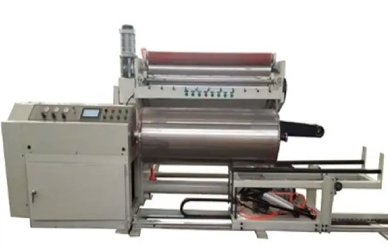
When discussing Paper Machine Parts, doctor blades deserve special attention because their material options are unusually diverse. Valmet’s doctor blade portfolio includes carbon fiber, glass fiber reinforced epoxy, UHMW-PE, bronze, stainless steel, Monel, and special carbon steel, with different materials assigned to different roll surfaces and process conditions. This wide range shows that blade material is selected according to temperature, friction requirement, corrosion environment, blade life target, and the type of roll being cleaned or conditioned. In papermaking, even a relatively small part like a doctor blade becomes highly material-specific once process demands are considered.
Not all Paper Machine Parts are metallic or rigid. Paper machine clothing such as forming fabrics and press felts is made from engineered synthetic polymer systems designed for specific runnability and dewatering performance. ANDRITZ’s 2026 recycling announcement states that press felts are made from different polyamides and forming fabrics are mainly composed of polyamide and polyethylene terephthalate, while Valmet notes ongoing development in bio-based raw materials for certain clothing products. This means modern paper machine clothing is not only performance-engineered but also material-engineered, with polymer choice directly linked to lifetime, stability, and sustainability goals.
Manufacturers of Paper Machine Parts choose materials based on actual working conditions, not just one feature. The right material must match the machine section, operating speed, temperature, moisture level, chemical exposure, and mechanical load. This is why different parts use different materials in different positions.
A lower purchase price does not always mean a better choice for Paper Machine Parts. Materials with longer service life, better reliability, and lower downtime can offer greater value over time. Even if advanced materials cost more at first, they can reduce maintenance frequency and improve overall production efficiency.
Cast iron is still used in some Paper Machine Parts because it offers good thermal stability and even heat transfer. It remains a practical choice for drying cylinders and other heat-related applications.
Stainless steel is widely used in wet-end Paper Machine Parts because it resists moisture and corrosion well. This makes it suitable for vacuum and wet-section components that need long service life.
Not always. Polyurethane is often chosen for higher wear resistance and longer life, while rubber is still widely used for many roll and cover applications. The better choice depends on the machine position and working conditions.
Yes. Synthetic polymers are essential in Paper Machine Parts, especially in paper machine clothing such as press felts and forming fabrics. They play a key role in durability, runnability, and overall machine performance.
So, what materials are commonly used to manufacture Paper Machine Parts? The most common choices include cast iron, stainless steel, bronze, rubber, polyurethane, ceramic, composite materials, and engineered polymers such as PA and PET. Each material serves a different purpose: cast iron supports heat transfer, stainless steel protects against corrosion, bronze remains useful in specialized metal applications, rubber and polyurethane dominate many roll-cover uses, ceramics improve wear resistance, composites support customized performance, and polymer-based clothing materials drive forming, pressing, and drying performance. In real-world papermaking, the best material is not the most advanced one in general, but the one that best matches the exact function and operating environment of the part.


