
Views: 0 Author: Site Editor Publish Time: 2026-01-12 Origin: Site


A leaking seal often points to the wrong part. We replace the seal, yet the leak returns. The real issue may be the surface the seal rides on, not the seal itself. This is where a Shaft Sleeve can confuse even experienced teams.
In this article, we answer: What is the difference between shaft and sleeve? You will learn what each part does, where it sits, and how to spot the failure clues. You will also see when a Shaft Sleeve repair is smarter than machining or replacing a shaft.
A shaft is a working part, not just a surface. It transfers torque from the driver to the driven element. It also carries bending loads from impellers, pulleys, couplings, and gear meshes. If the shaft fails, the machine usually stops instantly.
A sleeve has a different mission. It does not exist to transmit power. It exists to protect a surface that would otherwise wear too fast or corrode too easily. A Shaft Sleeve is a common example: seals and packing rub on it, so the shaft underneath stays intact.
A shaft usually runs through the entire assembly. You can think of it as the backbone of the rotating system. Bearings support it, couplings connect to it, and rotating elements attach to it.
A sleeve sits on top of the shaft, like a jacket. It covers only a local zone, usually near a seal, packing set, or lip seal. That location is not random. It is where friction and fluid exposure create the fastest wear.
A shaft is expensive and time-consuming to replace. It often requires major disassembly, bearing work, and alignment checks. It may also require coupling rework and balance checks, depending on the machine.
A sleeve is meant to be replaced. When a Shaft Sleeve wears, you replace the sleeve instead of repairing the whole shaft. In practice, that can turn an emergency event into a planned maintenance task, which is why sleeves are popular in industrial reliability programs.
At the seal area, contact is constant. Packing compresses against the rotating surface. Mechanical seals run on a controlled track, and any wobble or grooves can trigger leakage and heat. If seals rub on the shaft directly, the shaft becomes the wear part, which is rarely the best economic choice.
A Shaft Sleeve moves that rubbing contact to a sacrificial surface. The shaft stays dimensionally stable, while the sleeve takes the abuse. This is one of the clearest functional differences between “shaft” and “sleeve” in real maintenance work.
Shaft material choices typically prioritize strength, stiffness, and fatigue resistance. Many shafts use carbon steel or alloy steel. Some applications use stainless steel when corrosion risk is high, but strength and fatigue still drive the decision.
Sleeves often prioritize corrosion resistance and surface durability. A Shaft Sleeve may use stainless steel, a hardened surface, or a coating to handle abrasion. It also often needs a controlled surface finish so seals can run smoothly and predictably.
When a shaft has a serious issue, you often see system-level symptoms. Vibration rises, bearings heat, couplings wear, and runout readings climb. These problems usually point to the shaft system, not just the seal surface.
Sleeve failures usually look different. You see grooves at the seal track, scoring from solids, fretting dust at the fit zone, or pitting under the sleeve from trapped fluid. Those clues often point to the Shaft Sleeve and its fit or sealing features, not the shaft itself.
Topic | Shaft | Sleeve / Shaft Sleeve |
Main purpose | Transmit torque and carry loads | Protect a surface and support sealing contact |
Typical location | Runs through the full assembly | Covers a local wear zone, often near seals |
Common damage | Runout, fatigue cracks, keyway wear | Grooves, scoring, fretting, corrosion at ends |
Replacement effort | High; teardown and alignment work | Lower; often done during seal service |
Key specs | Straightness, stiffness, bearing fits | Surface finish, concentricity, sealing features |
Tip: If a seal fails twice in a short window, inspect the sleeve track before blaming the seal model.
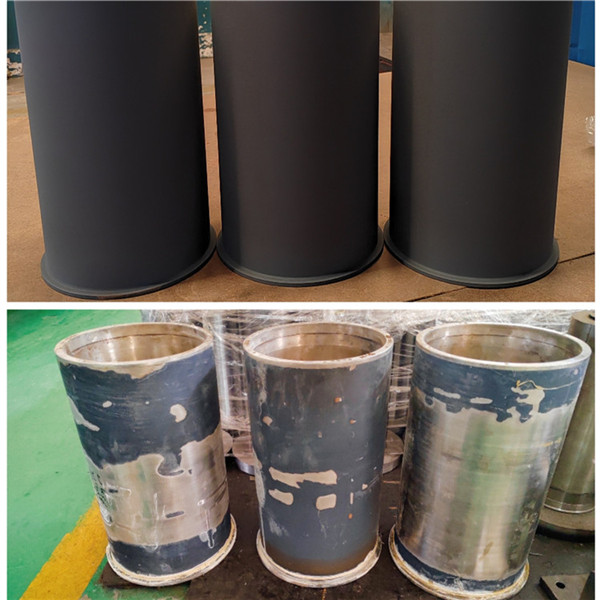
A shaft is the main rotating member in most machines. In a pump, it drives the impeller and transmits torque from the coupling. In a motor, it transfers torque to the driven equipment. In a gearbox, it carries gears and transmits power through stages.
The shaft also carries bending loads. These loads come from hydraulic forces in pumps, belt tension in drives, gear forces in gearboxes, and misalignment in couplings. That is why shafts need both strength and stiffness. If deflection becomes too large, seals and bearings see extra stress, and failures accelerate.
Shafts are commonly made from medium carbon steel or alloy steel. The exact grade depends on speed, torque, shock loads, and fatigue targets. Some shafts use stainless steel when corrosion exposure is unavoidable, yet designers still need fatigue strength and good machinability.
Strength matters because shafts face cyclic loading. Even small stress raisers can start fatigue cracks over time. Keyways, sharp shoulders, and poor surface finish can all raise local stress. That is why shaft design includes fillets, careful machining practices, and controlled fits at bearings and couplings.
In the field, shaft condition is often judged by straightness and runout. If runout is high, seals can wobble and heat up, even if the seal faces are new. Bearings can also wear faster because load distribution changes each revolution.
Keyway condition matters too. A worn keyway can loosen couplings and create fretting. It can also create vibration that seems like a seal issue. If you suspect shaft problems, measure runout at multiple points and compare to the equipment standard or seal vendor limit.
Note:A sleeve can restore a seal surface, but it cannot correct a bent shaft or bad alignment.
In industry, “sleeve” can mean many things. A pipe sleeve protects piping through a wall. A bushing sleeve supports a bearing surface. A liner sleeve protects a casing from erosion. These are all valid “sleeves,” but they do not mean the same part.
That is why clarity matters on work orders and purchase requests. In rotating equipment, a sleeve often means a shaft sleeve, but not always. When you say Shaft Sleeve, you reduce ambiguity and prevent wrong parts from arriving during a shutdown.
A Shaft Sleeve is a replaceable tube fitted over the shaft, usually at the seal or packing area. It provides a controlled outer surface for contact. It also shields the shaft from corrosion and erosion. When the sleeve wears, you replace it rather than repairing the shaft each time.
A good sleeve design also considers sealing under the sleeve. Many sleeves use O-rings or gaskets at one end to prevent bypass leakage. If fluid creeps under the sleeve, it can trigger hidden corrosion and surprise failures later.
A shaft repair sleeve is often thin-wall and made for quick field repairs, especially for lip seals. It typically installs using a driver tool and may include a flange that can be left on or trimmed off for clearance. It is a fast way to restore a worn track without machining.
A full Shaft Sleeve can be thicker and more engineered. It may be designed for a specific pump model, include seal features, and use upgraded materials for harsh service. Both types are “sleeves,” but the selection depends on duty, clearance, and how often the problem repeats.
The seal zone is a high-energy area. It sees friction, heat, and fluid chemistry all day. Packing can grind a track when solids enter. Mechanical seals can run hot during upset conditions. Even clean services can cause wear over long hours.
A Shaft Sleeve focuses protection exactly where damage happens most. It is a targeted reliability tactic: protect the small zone that fails first, rather than rebuilding the whole shaft system each cycle.
Packing needs a stable surface to seal well. If the running surface is grooved or uneven, operators tighten packing more, which raises heat, which increases wear. A sleeve helps break that cycle by providing a consistent track that is easier to maintain.
Mechanical seals need good surface quality and low runout. A sleeve can help deliver a repeatable surface finish, especially after previous wear has damaged the shaft. When the sleeve is installed correctly, seals tend to run cooler and last longer.
Bypass leakage under the sleeve is one of the most misunderstood failure modes. When fluid creeps under the sleeve and sits there, it creates a crevice environment. Corrosion can start under the sleeve and spread without being visible.
End sealing features, clean assembly, and correct fit reduce this risk. If your team sees repeated pitting under sleeves, treat it as a sealing and cleanliness problem first, not just a material problem.
Note: If pitting starts at sleeve ends, bypass leakage is a strong suspect.
The first decision point is whether the damage is localized. A sleeve is ideal for a narrow wear band at the seal track. It is less effective if wear extends over a long section, or if the shaft diameter has been reduced significantly.
The second decision point is runout. If the shaft is bent or bearings are loose, a sleeve can still end up with wobble. That wobble will punish seals fast. In those cases, you need to correct the rotor system before expecting sleeve success.
The third decision point is corrosion severity. Light pitting can be managed with sleeve materials and sealing features. Deep metal loss may reduce fit quality and compromise reliability. For severe corrosion, machining or replacement may be the safer option.
Machining a shaft in place can be difficult. It requires access, tools, and controlled setup. It can also change critical dimensions, which may impact seal settings and clearances. Shaft replacement can be even more disruptive, since it often triggers deeper teardown and alignment tasks.
A Shaft Sleeve often reduces both time and risk. You can replace it during seal work, often within the same maintenance window. It also reduces the need to keep spare shafts on the shelf, which can be costly and space-consuming.
Before ordering sleeves, confirm the shaft size where the seal runs, not just at a convenient measurement point. Confirm the sleeve length covers the full wear band plus margin. Check that any flange will clear the seal chamber or housing.
For critical services, ask for inspection and traceability. Confirm surface finish expectations for your seal type. These checks prevent wrong parts and rushed rework during an outage.
Tip: Create a short “asset sleeve spec” that lists size, length, finish, and end-seal needs for each pump family.
When leakage returns quickly, it is tempting to swap seals again. But repeated leakage often points to the surface under the seal. If the sleeve track is grooved, the seal cannot maintain a stable film or contact pattern. If the surface finish is too rough, packing can never settle properly.
A simple inspection can save time. Use light and touch to check the sleeve track. Look for ridges, scoring, or heat discoloration. If you can catch a groove with a fingernail, the Shaft Sleeve is likely due for replacement.
If sleeves fail repeatedly, fit and installation become the top suspects. Loose fit can cause fretting, which appears as red dust near the fit zone. Cocked installation can create runout, which heats seals and accelerates wear. Wrong positioning can leave part of the old groove exposed, so the seal runs on mixed surfaces.
To break the cycle, measure the shaft properly in multiple angles. Check for burrs near shoulders and keyways. Confirm the sleeve is driven straight and seated fully. These practical steps usually deliver more value than changing seal brands.
Hidden corrosion under a sleeve often surprises teams. It may not show until the sleeve is removed. If bypass leakage exists, trapped fluid can create crevice corrosion. Once it starts, it can spread under the sleeve and reduce shaft integrity.
Prevention is straightforward: maintain end sealing, keep assembly clean, and replace end seals during sleeve service. If corrosion still repeats, upgrade the sleeve material or end sealing approach, and review process chemistry control.
Symptom | Most likely root cause | First check | Practical next step |
Seal leaks soon after rebuild | Grooved or rough sleeve track | Inspect sleeve OD band | Replace sleeve, verify finish |
Frequent packing adjustments | Packing overload and heat | Check track scoring | Reduce load, improve flush plan |
Red dust near sleeve fit | Loose fit and fretting | Inspect ID fit zone | Correct interference or replace sleeve |
Pitting under sleeve | Bypass leakage at sleeve ends | Check end seal condition | Replace end seals, improve sealing design |
Vibration rises after repair | Shaft runout or cocked sleeve | Measure runout at seal band | Correct alignment and seating |
A shaft carries torque and load through the whole machine. A sleeve protects a local surface where wear happens fastest. A Shaft Sleeve sits at the seal track, so seals rub on it instead of the shaft. When you spot grooves, fretting, or under-sleeve pitting, replacing the sleeve is often the smarter repair.
For reliable repairs and repeatable quality, Jinan Tanmng New Material Technology Co., Ltd. can support your needs. Their Shaft Sleeve solutions help restore sealing surfaces, improve wear and corrosion resistance, and reduce downtime through consistent sizing and service support.
A: A shaft transmits load and torque; a sleeve protects a local wear surface.
A: A Shaft Sleeve is a replaceable seal-track surface that reduces shaft damage.
A: Replace the shaft if it has high runout, cracks, or major diameter loss.
A: Shaft Sleeve helps when leaks come from grooves, rough finish, or pitting.
A: Shaft Sleeve repairs often cut downtime and cost, but fit and clearance matter.


