
Views: 0 Author: Site Editor Publish Time: 2026-01-08 Origin: Site


A small groove on a shaft can shut down a whole line. Leaks climb, seals burn, and downtime gets expensive. A Shaft Sleeve repair is often the fastest way back to a smooth sealing surface.
In this article, we explain How to use a shaft repair sleeve? You will learn how to check if a sleeve is the right fix, measure the shaft, prep the surface, and install it straight. We also cover runout checks, seal reassembly, and quick troubleshooting to prevent repeat leaks.
Start by reading the damage pattern at the seal track. Grooves often come from packing load or solids. Pitting often signals corrosion or trapped fluid. Fretting leaves red dust near a loose fit.
A Shaft Sleeve suits a narrow wear band. It will not fix a bent shaft. It also will not correct long taper wear.
Measure the shaft using a micrometer at several angles. Record the smallest reading for sleeve selection. Then check chamber and gland clearance around the track. Confirm the sleeve and flange will not hit stationary parts.
High runout can ruin seals even on a new sleeve. Deep corrosion can reduce grip and start under-sleeve damage. Cracks and major metal loss need machining or replacement. If doubts remain, inspect bearings and shaft straightness first.
Check item | Good sign | Warning sign | What to do |
Wear pattern | Narrow track at seal | Long taper wear | Machine or replace shaft |
Runout | Within seal spec | High wobble | Fix bearings or alignment |
Corrosion | Light pitting | Deep metal loss | Choose rebuild or new shaft |
Clearance | Enough bore space | Tight chamber | Confirm flange and length plan |
Access | Good tool room | Limited access | Plan removal tools early |
Tip: If you cannot measure well, improve access before you install.
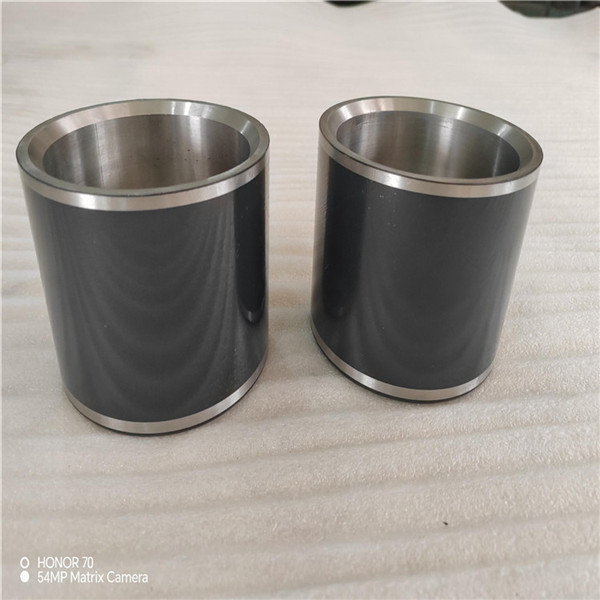
Lock out power and isolate pressure. Drain the chamber, then remove the seal or packing parts. Keep parts in order for fast rebuild.
Clean oil and rust using solvent and wipes. Polish lightly using fine abrasive cloth. Mark the full wear band so you can cover it.
Measure across the wear band in several spots and angles. Use the smallest diameter for the size chart. Choose length that covers the band plus margin.
Remove burrs near keyways and shoulders using a fine file. Break sharp edges at band ends to avoid sleeve tearing. Fill deep pits if needed and keep it flush. Let fillers cure fully before you drive the sleeve.
Dry-fit the target position before driving. Center the new running zone under the seal contact area. Confirm it will clear seal springs and housings.
Place the sleeve and driver square to the shaft. Tap in even strikes using a soft mallet. Stop and reset if the sleeve starts to cock. Check the driver face stays flat during every few strikes.
Leave the flange if the chamber has room. Remove or trim it if it interferes. Deburr the edge so seals will not cut.
Reinstall the seal parts and lubricate lips and O-rings. Rotate by hand and feel for smooth motion. Verify there is no rubbing at the housing bore. Start up slowly and watch for leaks and heat.
Stage | What you verify | Simple tool | Common error |
Before install | Shaft size and ovality | Micrometer | One reading only |
Surface prep | No burrs or sharp edges | File + cloth | Leaving a shoulder burr |
Positioning | Track fully covered | Marker line | Sleeve too short |
Driving | Sleeve stays square | Visual check | Cocked install |
After install | Low runout at track | Dial indicator | Ignoring wobble |
Rebuild | Seal parts move freely | Hand rotation | Dry start |
Repair sleeves rely on interference fit for grip. The sleeve ID is slightly smaller than the shaft. Driving expands it, then it grips tightly. Glue is rarely needed for a Shaft Sleeve.
Packing needs a controlled finish so it beds in evenly. Mechanical seals need a smooth and uniform running surface. If you lack finish data, compare to a known good shaft. Consistent finish reduces early leakage.
Fluid can creep under a sleeve and pit the shaft. A thin non-hardening sealant film can block bypass paths. Use a very thin layer so seating stays full. Excess sealant can create runout and heat.
Runout drives heat and fast seal wear. Check it before sleeve work when possible. Check it again after driving and flange work. If runout stays high, fix bearings or alignment, not seals. Many seal makers give a maximum runout limit for the track.
Tip: Record runout and sleeve position for repeatable future repairs.
Lip seals need a smooth mid-zone for contact. Keep the lip off the sleeve edge and flange. Protect the lip during assembly using a wrap or cone. Lubricate it lightly before startup.
Packing can handle small marks, yet it creates more heat. Tighten the gland in small and even steps. Use flush water when you can to cool and clean. Over-tight packing will groove a Shaft Sleeve quickly.
Mechanical seals need low runout and clean sleeve surfaces. Clean the sleeve after driving before you assemble the seal. Confirm axial location matches the setting length. Confirm sleeve OD fits the seal sleeve range. If you see nicks, polish lightly and clean again.
Pullers work on some sleeve sizes and designs. Heat can loosen grip by expansion. Cutting is common when pullers fail. Make shallow cuts and split the sleeve along the cut. Use eye protection and control chips during cutting.
Protect the shaft while you cut the sleeve. Stop once you reach sleeve thickness, then crack it open. Clean the shaft using solvent and fine cloth. Measure the shaft again and record it.
Most repair sleeves are thin and deform during use. Removal often bends or scars them. Their seal track can also be worn already. Treat a Shaft Sleeve as a one-time repair part.
This error leaves part of the old groove exposed. The seal then rides on mixed surfaces and leaks quickly. Fix it by replacing the sleeve and covering the full band. Use margin on both ends when possible.
A sleeve can stop early on a burr or filler ridge. A step at the edge can cut seals during startup. Remove it, fix the obstruction, and reinstall square. A loose Shaft Sleeve can spin and fret.
Burrs cut seals during assembly and first rotation. They often come from keyways and flange trimming. Break edges using fine abrasive and check by touch. If a cloth snags, fix the edge.
Check seal orientation and setting length first. Then check sleeve position, runout, and track condition. Look for rust weep lines that hint bypass under the sleeve. Confirm flush and vent lines are open.
Note: Many repeat leaks come from skipped runout checks.
Inspect the sleeve track during each seal service. Feel for grooves and ridges using a fingernail. Look for red dust at the fit, which signals fretting. Look for stains at the ends, which signal bypass.
Keep spare sleeves for critical assets. Store them clean and dry to protect their surface. Keep driver tools and cones in one kit. Standardize sleeve sizes across similar machines when possible.
If grooves return fast, abrasion drives the failure. Consider a harder sleeve option and better flush plans. If pitting returns, corrosion drives the failure. Consider an upgraded alloy and improved end sealing.
A shaft repair sleeve works best when you follow a clean process. Confirm the damage pattern, measure the shaft, and prep the surface well. Install the Shaft Sleeve straight, cover the full wear track, and verify runout before startup. Good sealing checks and simple records help prevent repeat leaks.
For stable quality and faster maintenance, Jinan Tanmng New Material Technology Co., Ltd. can support your repair needs. Their Shaft Sleeve solutions help restore sealing surfaces, improve wear resistance, and reduce downtime through consistent sizing and service support.
A: A Shaft Sleeve restores a worn seal track and protects the shaft from further wear.
A: Measure the smallest shaft diameter at the wear band, then match the Shaft Sleeve chart.
A: Shaft Sleeve installs usually rely on interference fit; sealant is only for bypass risk.
A: Shaft Sleeve leakage often comes from wrong sleeve position, burrs, or high runout.
A: Shaft Sleeve parts are usually one-time, since removal and wear can deform the track.


