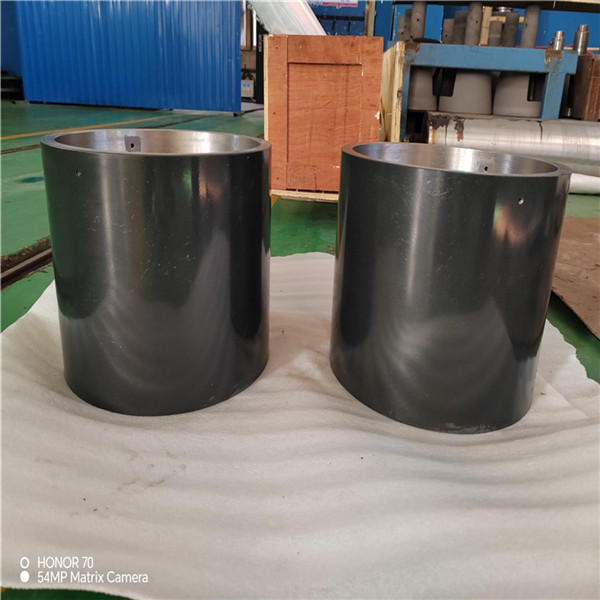
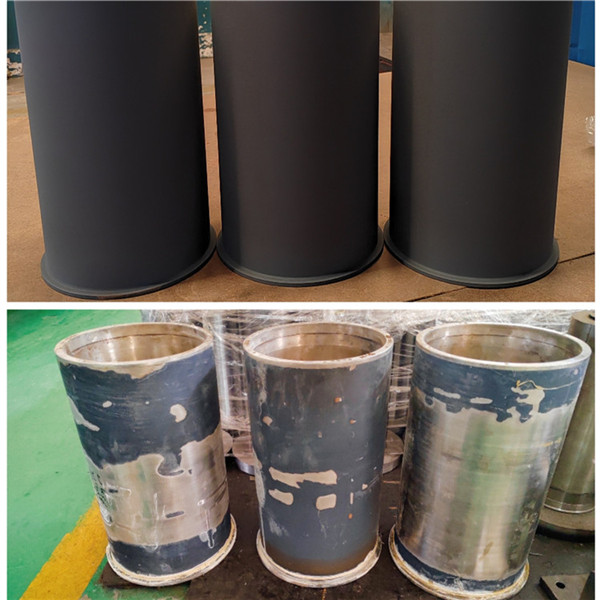
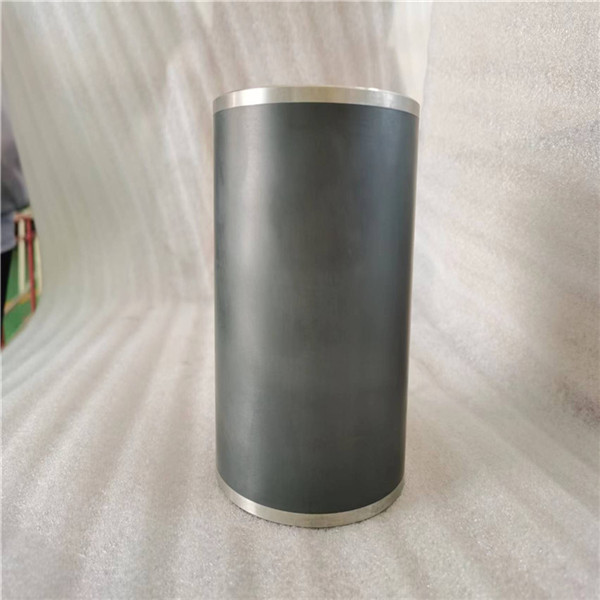
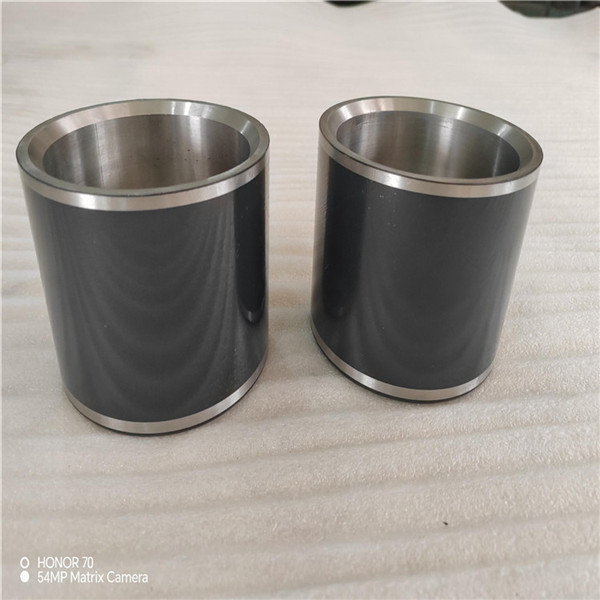
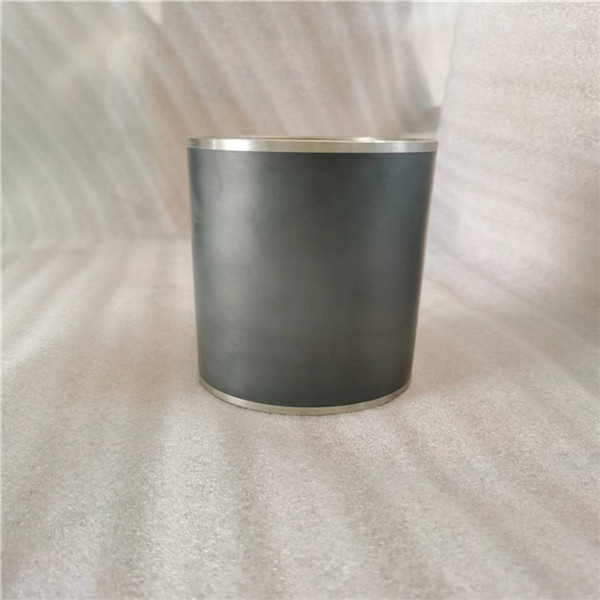
Where a rotating shaft meets its seal, a battle of friction is constantly waged. In standard setups, this interface is the first to score, pit, and fail. The Ceramic Coating Shaft Sleeve is our premier armor for these high-wear zones. Utilizing Atmospheric Plasma Spray (APS) technology, we deposit a high-density ceramic shield—such as Chrome Oxide or Zirconia—onto a precision-machined core. The result is a surface so sleek and hard that it drastically reduces friction against mechanical seals, turning a vulnerable point of failure into a fortress of reliability.
Diamond-Like Hardness: Achieves surface hardness levels up to HV 1300, far exceeding hardened steel alloys.
Seal Life Extension: The ultra-smooth Ra 0.2 finish minimizes heat generation and lip-seal hardening.
Zero-Leakage Barrier: High-velocity deposition creates a dense, low-porosity seal that prevents subsurface corrosion.
Thermal Integrity: Engineered to remain dimensionally stable even under intense thermal cycling and frictional heat.
| Availability: | |
|---|---|
| Quantity: | |
Picture the interior of a heavy-duty pump operating in a volatile chemical processing plant. A stainless steel shaft spins at thousands of RPM, under constant bombardment by abrasive particles. Our Ceramic Coating Shaft Sleeve acts as a protective "second skin" for this hardware. During the Plasma Spraying process, ceramic powder is accelerated through a 10,000°C plasma arc to create a metallurgical bond that becomes part of the sleeve itself.
The secret to our sleeve's longevity lies in the precision of the Plasma Spraying process. Unlike traditional dipping or painting methods, plasma processing creates a high-energy deposition that ensures the ceramic particles are packed with maximum density. This process allows us to work with high-melting-point materials like Zirconia and Alumina, which are impossible to apply through conventional means.
This technological edge translates directly to your facility's efficiency. Because the coating is applied with such high velocity, it fills every micro-pore of the base metal, creating a hermetic seal that prevents corrosive fluids from reaching the steel core. This "zero-leakage" barrier is what allows our sleeves to survive in environments where others succumb to sub-surface rust and peeling. Furthermore, the thermal spray treatment ensures that the sleeve remains perfectly balanced, which is essential for preserving the life of your bearings and motor seals.
Every industrial environment presents a different challenge, and our Ceramic Coating Shaft Sleeves are versatile enough to meet them all.
Pumping & Fluid Handling: Ideal for pump sleeves where high-velocity slurries would normally erode metal parts. The ceramic surface resists the "sandpaper" effect of particulates.
Mechanical Seals: Provides an ideal counter-face for mechanical seals. The low coefficient of friction prevents the "stick-slip" effect, reducing heat generation and seal wear.
Chemical & Pharmaceutical: Since our ceramics are chemically inert, they do not contaminate the medium and are completely immune to the caustic cleaning agents used in sanitary environments.
Marine & Offshore: Provides ultimate protection against salt-water corrosion and galvanic rust, ensuring that critical propulsion and steering shafts remain operational in the harshest ocean conditions.
In a market filled with generic replacements, we stand apart by focusing on the E-E-A-T principles: Expertise, Experience, Authoritativeness, and Trustworthiness.
Engineering Expertise: Our facility utilizes standardized plasma production lines and high-precision machining equipment to ensure every sleeve meets international tolerance standards.
Material Authority: We don't just apply coatings; we consult with you to select the specific ceramic powder—whether it's the wear-resistance of Chrome Oxide or the thermal barrier of Zirconia—that best fits your unique work environment.
Customization Experience: From non-standard diameters to specialized shaft-end configurations, we manufacture according to your precise technical drawings, ensuring a perfect fit every time.
Verified Performance: Our sleeves are used globally in high-stakes industries, from power generation to large-scale irrigation, proving their durability in real-world, high-pressure scenarios.
Can these sleeves be used to repair old, worn-out shafts?
Yes. One of the greatest benefits of the Plasma Spraying process is its ability to build up worn surfaces. We can take a shaft or sleeve that has been deeply scored, grind it down, and then use thermal spraying to restore it to its original—or even better—surface condition.
What is the difference between Alumina and Zirconia coatings?
Alumina (Al2O3) is excellent for general wear and high-temperature insulation. Zirconia (ZrO2) offers superior thermal barrier properties and higher fracture toughness. We help you choose the material based on your temperature and impact requirements.
Will the ceramic coating crack under high-pressure operation?
Our coatings are engineered with high bond strength (≥30 MPa) and specific porosity levels that allow for a degree of elastic deformation. This prevents the "eggshell" effect, ensuring the coating remains intact even under mechanical stress or vibration.
How does the ceramic coating affect seal life?
The ceramic layer can be lapped to a mirror-like finish (Ra 0.2). This smooth surface significantly reduces the heat generated by the seal lip, which is the primary cause of seal hardening and failure.
Is there a limit to the size of shaft sleeves you can coat?
We accommodate a wide range of sizes. Our high-precision machining and spraying stations can handle small-diameter pump sleeves as well as large-scale industrial drive sleeves, all while maintaining strict concentricity.
Picture the interior of a heavy-duty pump operating in a volatile chemical processing plant. A stainless steel shaft spins at thousands of RPM, under constant bombardment by abrasive particles. Our Ceramic Coating Shaft Sleeve acts as a protective "second skin" for this hardware. During the Plasma Spraying process, ceramic powder is accelerated through a 10,000°C plasma arc to create a metallurgical bond that becomes part of the sleeve itself.
The secret to our sleeve's longevity lies in the precision of the Plasma Spraying process. Unlike traditional dipping or painting methods, plasma processing creates a high-energy deposition that ensures the ceramic particles are packed with maximum density. This process allows us to work with high-melting-point materials like Zirconia and Alumina, which are impossible to apply through conventional means.
This technological edge translates directly to your facility's efficiency. Because the coating is applied with such high velocity, it fills every micro-pore of the base metal, creating a hermetic seal that prevents corrosive fluids from reaching the steel core. This "zero-leakage" barrier is what allows our sleeves to survive in environments where others succumb to sub-surface rust and peeling. Furthermore, the thermal spray treatment ensures that the sleeve remains perfectly balanced, which is essential for preserving the life of your bearings and motor seals.
Every industrial environment presents a different challenge, and our Ceramic Coating Shaft Sleeves are versatile enough to meet them all.
Pumping & Fluid Handling: Ideal for pump sleeves where high-velocity slurries would normally erode metal parts. The ceramic surface resists the "sandpaper" effect of particulates.
Mechanical Seals: Provides an ideal counter-face for mechanical seals. The low coefficient of friction prevents the "stick-slip" effect, reducing heat generation and seal wear.
Chemical & Pharmaceutical: Since our ceramics are chemically inert, they do not contaminate the medium and are completely immune to the caustic cleaning agents used in sanitary environments.
Marine & Offshore: Provides ultimate protection against salt-water corrosion and galvanic rust, ensuring that critical propulsion and steering shafts remain operational in the harshest ocean conditions.
In a market filled with generic replacements, we stand apart by focusing on the E-E-A-T principles: Expertise, Experience, Authoritativeness, and Trustworthiness.
Engineering Expertise: Our facility utilizes standardized plasma production lines and high-precision machining equipment to ensure every sleeve meets international tolerance standards.
Material Authority: We don't just apply coatings; we consult with you to select the specific ceramic powder—whether it's the wear-resistance of Chrome Oxide or the thermal barrier of Zirconia—that best fits your unique work environment.
Customization Experience: From non-standard diameters to specialized shaft-end configurations, we manufacture according to your precise technical drawings, ensuring a perfect fit every time.
Verified Performance: Our sleeves are used globally in high-stakes industries, from power generation to large-scale irrigation, proving their durability in real-world, high-pressure scenarios.
Can these sleeves be used to repair old, worn-out shafts?
Yes. One of the greatest benefits of the Plasma Spraying process is its ability to build up worn surfaces. We can take a shaft or sleeve that has been deeply scored, grind it down, and then use thermal spraying to restore it to its original—or even better—surface condition.
What is the difference between Alumina and Zirconia coatings?
Alumina (Al2O3) is excellent for general wear and high-temperature insulation. Zirconia (ZrO2) offers superior thermal barrier properties and higher fracture toughness. We help you choose the material based on your temperature and impact requirements.
Will the ceramic coating crack under high-pressure operation?
Our coatings are engineered with high bond strength (≥30 MPa) and specific porosity levels that allow for a degree of elastic deformation. This prevents the "eggshell" effect, ensuring the coating remains intact even under mechanical stress or vibration.
How does the ceramic coating affect seal life?
The ceramic layer can be lapped to a mirror-like finish (Ra 0.2). This smooth surface significantly reduces the heat generated by the seal lip, which is the primary cause of seal hardening and failure.
Is there a limit to the size of shaft sleeves you can coat?
We accommodate a wide range of sizes. Our high-precision machining and spraying stations can handle small-diameter pump sleeves as well as large-scale industrial drive sleeves, all while maintaining strict concentricity.
