
Views: 0 Author: Site Editor Publish Time: 2025-09-25 Origin: Site


Doctor blades are essential components in various industries, including paper manufacturing, printing, and coating, where they maintain smooth, clean roller surfaces. These blades help remove excess materials like coatings, ink, and debris, ensuring that the finished product meets the required quality standards. In paper production, for example, doctor blades prevent defects such as breaks, holes, and uneven thickness by stripping excess materials from rollers.
However, doctor blades are subject to wear and tear over time due to constant contact with hard surfaces. Premature wear can lead to inefficiencies, increased maintenance costs, and a decline in product quality. Understanding how doctor blades wear, identifying early signs of damage, and taking preventive measures are crucial steps to ensure optimal performance and longevity.
The objective of this article is to highlight common wear patterns in doctor blades, explore the factors that contribute to premature wear, and offer practical solutions to mitigate these issues. By addressing wear early, manufacturers can optimize blade life, reduce downtime, and maintain consistent product quality.
Doctor blades are vital for maintaining smooth roller surfaces in paper production, printing, and coating, ensuring high-quality output. However, these blades are prone to wear, which can impact performance and product quality.
Doctor blade wear occurs due to constant contact with the roller, causing degradation over time. This reduces blade effectiveness, leading to poor product quality, increased defects, and higher maintenance costs. If not addressed, wear can disrupt production and result in more frequent blade replacements.
Proper blade maintenance is key to consistent, high-quality production. Well-maintained blades prevent defects, such as uneven coatings or print imperfections, which reduces waste and reprocessing. Worn blades, on the other hand, contribute to defects, increased material usage, and lower production efficiency.
Abrasion Wear
Caused by continuous contact between the blade and roller, leading to material loss and surface roughness. This impacts the blade’s scraping effectiveness, causing defects in the final product.
Corrosion Wear
Occurs when blades react with moisture or chemicals in the production process. This reduces sharpness and can contaminate products.
Fatigue Wear
Results from repetitive stress on the blade, causing cracks and fractures. Fatigue wear is common in high-speed applications, weakening the blade over time.
Chemical Wear
Caused by exposure to harsh chemicals or solvents, this type of wear degrades the blade material, reducing its lifespan and performance.
Doctor blades play a crucial role in maintaining smooth surfaces during production, but they are subject to wear. Understanding common wear patterns helps prevent further damage and ensures optimal blade performance.
Cause: Friction between the blade and roller gradually erodes the blade edge.
Impact: Decreases the blade’s effectiveness, leading to uneven scraping and increased defects.
Cause: Foreign particles trapped between the blade and roller cause grooves.
Impact: Results in inconsistent scraping, leading to uneven coatings or prints and more defects.
Cause: Exposure to chemicals or moisture can corrode the blade material.
Impact: Weakens the blade, causing premature failure and uneven scraping, reducing performance.
Cause: Stress, improper handling, or impact during installation can cause cracks.
Impact: Leads to uneven scraping and potential damage to rollers, affecting product quality.
Cause: Excessive pressure or temperature can cause the blade to bend or warp.
Impact: Results in inefficient stripping and inconsistent quality, raising energy costs.
Recognizing these wear patterns helps manufacturers maintain blade performance, reduce defects, and optimize production efficiency. Regular inspection and maintenance are key to extending blade life.
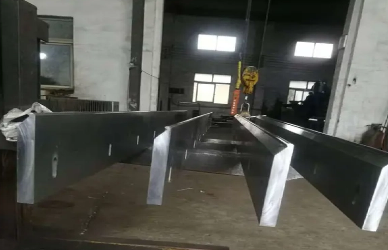
Detecting premature wear early is essential to maintaining consistent production quality and preventing expensive downtime. Here are key methods for identifying wear:
Signs to Look For:
Cracks and Fractures: Look for visible cracks along the blade edge or surface. These can develop due to excessive pressure or handling.
Grooves or Surface Damage: Grooves on the blade’s surface indicate friction against the roller, which compromises its efficiency.
Uneven Edges: Worn-out edges or irregularities in the blade’s profile can result from misalignment or improper pressure during operation.
Regular visual inspections allow operators to catch these issues before they impact production.
Loss of Scraping Efficiency:
As blades wear, they lose their ability to maintain smooth contact with the roller, resulting in reduced scraping efficiency. If the blade can no longer remove excess coating or ink effectively, it will leave defects on the paper, such as uneven thickness or print imperfections.
Increased Defect Rates:
If paper defects such as breaks, holes, or inconsistent coatings become more frequent, it may be a sign that the doctor blade is no longer functioning optimally. These performance issues often correlate with premature wear.
Automated Detection:
Automated monitoring systems can track blade condition in real time, providing early warnings for signs of wear before they significantly impact production. These systems can measure variables like pressure, speed, and wear patterns, alerting operators when maintenance or replacement is needed.
By using a combination of visual inspection, performance tracking, and advanced monitoring technologies, manufacturers can effectively detect and address premature wear, maintaining the efficiency and quality of their production lines.
To extend the lifespan of doctor blades and ensure consistent performance, it’s essential to follow best practices that reduce wear. Here are some key strategies:
Correct Installation Practices:
Secure the blade to avoid vibration or movement during operation, which can lead to uneven wear.
Install the blade at a consistent angle to the roller surface to ensure uniform contact, preventing localized wear and ensuring effective scraping.
Proper installation ensures the blade works optimally from the start, reducing early wear and the need for frequent replacements.
Frequent Checks and Maintenance:
Regularly inspect the blade for signs of wear, such as cracks or uneven edges, to detect issues early.
Schedule cleaning and lubrication to maintain peak performance.
Monitor defect rates to identify wear before it impacts quality.
Routine inspections help detect wear early, allowing for timely maintenance and reducing downtime.
Adjusting Pressure:
Set the blade pressure optimally for each application. Too much pressure accelerates wear, while too little reduces efficiency.
Use sensors to maintain consistent pressure and adjust it as needed based on material or speed.
Proper pressure ensures balanced wear and effective scraping, preventing unnecessary strain.
Ensuring Proper Alignment:
Misalignment between the blade and roller causes premature wear. Ensure the blade is accurately positioned using alignment tools or lasers.
Proper alignment ensures uniform contact with the roller, preventing localized damage and extending blade life.
Investing in Wear-Resistant Materials:
Use materials like tool steel, ceramic-coated blades, or graphite, known for their durability and resistance to wear.
Choose material based on application and production conditions, such as ceramic coatings for high-speed or abrasive environments.
Quality materials reduce the frequency of blade replacements and minimize wear over time.
Adapting Operating Conditions:
Adjust speed, temperature, and humidity to reduce stress on the blades. Extreme conditions can increase wear.
Avoid harsh chemicals that can corrode or damage the blade.
Managing environmental factors helps reduce wear and prolong the blade’s life.
Identifying and addressing premature wear patterns in doctor blades is essential for ensuring optimal performance and preventing costly downtime. By recognizing the common signs of wear, such as edge degradation, surface grooving, or cracks, manufacturers can take proactive steps to mitigate issues before they affect production quality.
Regular inspections, proper alignment, and pressure optimization are crucial practices for maintaining blade performance over time. Selecting high-quality materials, such as tool steel or ceramic-coated blades, also plays a significant role in reducing wear and improving efficiency.
Investing in preventative maintenance and high-quality doctor blades is not only cost-effective in the long term, but it also supports more sustainable and efficient manufacturing processes. Manufacturers should prioritize these practices to enhance blade longevity, reduce waste, and ensure consistent product quality, ultimately leading to a more reliable and sustainable operation.


