
Views: 0 Author: Site Editor Publish Time: 2025-09-23 Origin: Site


Doctor Blade technology plays a crucial role in the paper manufacturing process by ensuring the efficient removal of excess coatings, contaminants, and debris from the paper machine rollers. This results in a cleaner, smoother surface, which is essential for high-quality paper production. The primary function of Doctor Blades is to maintain a clean and consistent roller surface, improving the overall paper stripping rate, reducing defects, and enhancing the final paper quality.
In the paper industry, the stripping rate—the speed at which paper is efficiently removed from the rollers—directly impacts production efficiency and quality. A high stripping rate ensures minimal downtime and optimal use of the paper machine, while also reducing the risk of paper defects such as holes, breaks, and uneven thickness.
This article aims to explore how advanced Doctor Blade technology contributes to boosting the paper stripping rate and reducing defects. By examining the latest developments in Doctor Blade materials, design, and maintenance practices, manufacturers can better understand how these innovations can lead to more efficient operations and higher-quality paper products.
Doctor Blades are crucial in paper production, ensuring clean roller surfaces by scraping off excess coatings and debris. This helps maintain smooth rollers, preventing issues like paper sticking or defects.
Doctor Blades improve the paper stripping rate by preventing paper adhesion to rollers, which can cause defects like wrinkles or breaks. By keeping rollers clean, they ensure consistent, high-quality paper with fewer imperfections, reducing waste and downtime.
A clean roller surface is vital for producing uniform paper. Residues can cause uneven finishes, leading to defects. Doctor Blades help maintain smooth rollers, promoting consistent paper texture and thickness, while reducing maintenance costs and improving production efficiency.
Carbon Steel: Carbon steel doctor blades are a cost-effective option commonly used in standard paper stripping applications. They provide good durability and wear resistance but may not perform as well in highly abrasive conditions. Best suited for low to medium-speed paper production lines.
Stainless Steel: Known for its corrosion resistance, stainless steel is ideal for environments where moisture or mild chemicals are present. It provides a longer lifespan and better resistance to rust compared to carbon steel, making it suitable for various paper production applications that require more durability.
Tool Steel: Tool steel is the go-to material for high-speed and heavy-duty applications. It offers superior hardness, wear resistance, and longevity under extreme conditions. Tool steel blades are commonly used in fast-paced production environments where precision and blade longevity are critical.
Graphite Doctor Blades: Graphite is chosen for its low friction and smooth scraping action. It helps prevent wear and tear on both the blade and the roller, making it ideal for high-precision applications like fine paper coating or printing. Graphite blades are also useful for delicate paper types that require minimal damage during the stripping process.
Ceramic-coated Doctor Blades: Ceramic-coated blades offer exceptional wear resistance, making them ideal for abrasive environments. The ceramic coating reduces friction, which helps maintain a consistent stripping action and minimizes roller surface damage. These blades are typically used in applications where long-lasting performance and minimal downtime are essential.
Selecting the appropriate doctor blade material depends on several factors, such as the type of paper being produced, production speed, and environmental conditions. For high-speed and abrasive environments, tool steel or ceramic-coated blades are ideal for their durability. For more delicate paper types or precision applications, graphite or stainless steel may be more suitable. Considering these factors ensures optimal performance, reduces defects, and maximizes the lifespan of both the doctor blades and the production equipment.
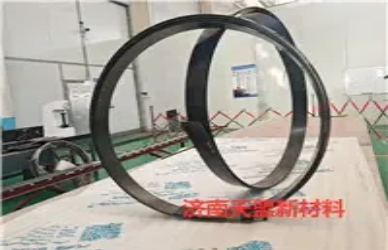
The design and sharpness of doctor blades are crucial for efficient paper stripping. A well-engineered blade with the correct angle and thickness ensures effective scraping of paper from the roller surface. Pressure adjustment is equally important—too little pressure leads to ineffective stripping, while too much can cause excessive wear. Optimizing this pressure increases stripping efficiency, reduces defects, and maintains a smooth roller surface, which is vital for high-quality paper production.
Automation has greatly improved the accuracy of doctor blades in paper manufacturing. Automated systems allow for precise control of blade position and pressure, adjusting in real-time based on production needs. These systems reduce human error by ensuring the blade remains at the optimal angle and pressure throughout the process. This consistency improves stripping uniformity and reduces the need for manual intervention, increasing efficiency and accuracy.
Advances in blade coatings, such as ceramic and carbide, improve wear resistance and reduce friction. These coatings help blades maintain sharpness longer, extend their lifespan, and reduce heat buildup caused by friction. The result is enhanced stripping efficiency, fewer defects, and lower replacement costs. Coated blades also help maintain consistent performance, ensuring better quality paper production over time.
Blade wear plays a critical role in the quality of paper production. As doctor blades wear down, their ability to maintain consistent pressure and contact with the roller surface diminishes. This leads to uneven stripping of paper, which can result in defects such as breaks, holes, or inconsistent thickness. These imperfections not only affect the quality of the paper but also cause inefficiencies, leading to production delays and increased waste.
To combat wear and improve performance, advancements in doctor blade materials and coatings have been essential. Materials like carbide and ceramic coatings enhance the blade's durability and wear resistance, allowing them to withstand harsher conditions without losing their effectiveness. These advanced materials help maintain a consistent contact with the roller surface, reducing the risk of defects like scratches or uneven stripping. Additionally, these coatings minimize friction, reducing heat buildup and the potential for blade degradation, leading to fewer defects and better overall performance.
The precision with which doctor blades are manufactured is also vital in reducing defects. High-quality, precisely crafted blades ensure smooth operation, minimizing irregularities in the scraping process. This leads to more consistent paper quality, as the blade maintains optimal contact with the roller surface at all times. Precision manufacturing also means that the blades perform better across a wider range of operating conditions, resulting in fewer interruptions and a more efficient production process.
Doctor Blade technology is crucial for enhancing paper stripping rates and minimizing defects in paper manufacturing. By keeping roller surfaces clean and ensuring efficient paper stripping, doctor blades help produce higher-quality paper, reduce waste, and improve operational efficiency. Advanced materials, coatings, and precise designs significantly enhance blade durability, wear resistance, and performance in challenging production environments.
Modern innovations, like ceramic coatings, high-performance materials, and automated pressure control, ensure more consistent and defect-free paper production. Regular maintenance and proper handling further extend blade life, reducing downtime and maximizing efficiency.
For manufacturers, investing in the right doctor blade technology is essential for improving product quality, reducing defects, and optimizing operations. Companies like Jinan Tanmng New Material Technology Co., Ltd. provide the advanced doctor blade solutions needed to stay competitive, ensuring smooth production and high-quality outputs.


