
Views: 0 Author: Site Editor Publish Time: 2025-09-17 Origin: Site


Doctor blades play a key role in industries such as paper production, coating, and printing. They help maintain a smooth and consistent finish by removing excess material from rollers or surfaces. The choice of material for a doctor blade is critical to ensuring its performance and longevity. Different applications require different properties like wear resistance, strength, and flexibility. Selecting the right material ensures efficiency, reduces wear and tear, and improves the overall quality of production. This article will examine the most common materials used for doctor blades and guide manufacturers on choosing the best material for their specific application, helping them achieve optimal performance and cost-efficiency.
Doctor blades play a vital role in industries like paper production, coating, and printing. The material used for the blade significantly impacts its performance and longevity. Here's a look at the primary materials used for doctor blades:
Stainless Steel
Durability and Corrosion Resistance: Stainless steel doctor blades are highly durable and resistant to corrosion, ideal for environments exposed to moisture and chemicals.
Applications: Perfect for general-purpose uses in paper production, printing, and coating, offering excellent precision and longevity.
Carbon Steel
Cost-Effective: More affordable than stainless steel, offering good durability at a lower price.
Wear Rates: Prone to wear and corrosion, especially in harsh conditions, but ideal where cost-efficiency is needed.
Applications: Suitable for cost-sensitive environments, though may need more frequent replacement.
Tool Steel
Hardness and Wear Resistance: Tool steel blades are highly resistant to wear and maintain sharp edges longer, suitable for high-speed or heavy-duty operations.
Applications: Best for high-speed printing or abrasive environments where precision is critical.
Polyurethane Blades
Gentle on Surfaces: Soft and flexible, polyurethane blades minimize surface damage, making them ideal for delicate applications.
Applications: Common in printing industries where minimal damage to surfaces is required.
Fiberglass-Reinforced Blades
Flexibility and Durability: These blades combine flexibility with durability, resisting wear while being adaptable to various conditions.
Chemical Resistance: Resistant to chemicals, making them ideal for environments with harsh solvents.
Applications: Used in paper and coating machines where flexibility and chemical resistance are key.
Ceramic Coated Blades
Wear Resistance: Ceramic coatings provide superior hardness and wear resistance, extending blade life in abrasive environments.
Applications: Ideal for highly abrasive environments like metal coatings where the blade must withstand heavy wear.
Graphite and Carbon Blades
Low Friction: These blades have low friction, which reduces wear and maintains a sharp edge longer.
Applications: Often used in high-precision printing applications, offering smooth operation and consistent performance.
Choosing the right doctor blade material is essential for optimizing performance, minimizing downtime, and ensuring high-quality output. Several factors influence the material selection, depending on the application. Here are the key considerations:
Paper Production:
Durability & Abrasion Resistance: Paper production requires doctor blades that are durable and able to withstand high friction. Materials like carbon steel and stainless steel balance durability and flexibility.
Printing & Coating:
Precision & Wear Resistance: Printing and coating applications demand high precision and minimal wear. Tool steel and composite materials like fiberglass-reinforced blades are ideal for high-speed printing.
Food & Pharmaceutical Industry:
Cleanliness & Chemical Resistance: Stainless steel and certain composites are preferred for these industries due to their corrosion resistance and hygiene standards.
Long-Term Performance: The material’s durability directly impacts blade lifespan and operational uptime. Harder materials like tool steel offer superior wear resistance, while composite blades may be more flexible but less durable under extreme wear.
Corrosion Resistance: Doctor blades exposed to chemicals, solvents, or acids need to resist corrosion to prevent degradation and contamination. Stainless steel, fiberglass-reinforced materials, and ceramics offer excellent chemical resistance for harsh environments.
Impact on Quality: The blade material affects the final product’s surface finish. Stainless steel provides a sharp edge for a smooth finish, while polyurethane blades are better suited for delicate applications where minimal surface damage is required.
Temperature & Speed Resistance: In high-speed or high-temperature environments, materials like tool steel or ceramic-coated blades provide thermal stability. Resistance to deformation or fatigue is also important for prolonged use.
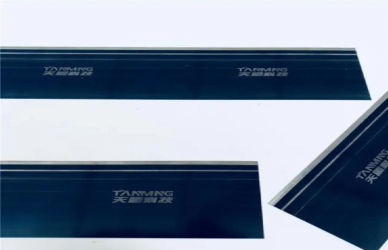
When selecting the right doctor blade material, it’s important to match material properties with the production environment. Different production scales, speeds, and precision levels require specific materials to ensure optimal performance.
For lower-volume and less demanding applications, cost-effective materials are ideal.
Carbon Steel: Affordable and offers good wear resistance, suitable for small to medium-scale production lines.
Basic Stainless Steel: Provides corrosion resistance and is cost-effective for environments with mild chemicals or moisture but not suited for extreme wear or high temperatures.
High-speed, high-volume operations need materials that can handle wear and maintain performance.
Tool Steel: Known for its hardness and wear resistance, it’s perfect for high-speed, high-volume applications.
Ceramic-Coated Blades: Offer excellent wear resistance and durability, making them ideal for large-scale, high-speed production.
For precision applications like printing and coating, materials that minimize friction and ensure smooth surfaces are essential.
Graphite Blades: Perfect for printing due to their low friction and smooth finish, ensuring high precision.
Ceramic-Coated Blades: Provide smooth scraping with minimal friction, ideal for high-quality printing and coating.
When selecting doctor blade materials, it's essential to balance upfront costs with long-term savings. Here's a quick overview of key cost factors:
Basic materials like carbon steel and stainless steel are cost-effective but wear faster. Premium materials like tool steel or ceramics cost more upfront but offer longer-lasting performance.
High-performance materials, though more expensive initially, have lower wear rates, reducing the frequency of replacements and maintenance costs.
Evaluate Needs: Choose materials based on production demands.
Consider Durability: Materials with higher durability can reduce long-term costs.
Factor in Downtime: Minimizing downtime leads to fewer costs in the long run.
To ensure optimal performance and longevity of your doctor blades, proper maintenance and handling are crucial. Here are some best practices for keeping your blades in top condition:
Early Detection: Regularly inspect doctor blades for signs of wear, cracks, or damage, especially for high-performance materials like ceramics and tool steel.
Material-Specific Checks: The inspection frequency and methods should be tailored to the material type. For example, carbon steel blades may need more frequent checks for corrosion, while ceramic-coated blades should be inspected for chipping or surface wear.
Avoid Moisture and Corrosion: Store doctor blades in a dry environment to prevent rust or corrosion, particularly for steel-based blades. Use protective covers to shield them from dust and debris.
Handle with Care: Avoid dropping or striking blades, as this can cause damage or misalignment, especially for more fragile materials like ceramics and composites.
Prevent Downtime: Establish a regular replacement schedule based on the blade material and production volume. Don’t wait for a blade to fail before replacing it.
Material-Specific Lifespan: High-performance materials may have longer replacement cycles, while cost-effective options like carbon steel may need more frequent replacements, especially in high-speed applications.
In conclusion, selecting the right material for your doctor blades is critical to maximizing their performance and extending their lifespan. The material choice directly impacts factors such as durability, wear resistance, and overall efficiency in various applications like paper production, printing, and coating. Key considerations include matching the material to your specific application, evaluating the durability and wear resistance required for your production speeds, and considering the overall cost-effectiveness of your investment. Whether you're focused on high-precision printing or large-scale manufacturing, the right doctor blade material can help reduce maintenance costs, prevent downtime, and ensure consistent product quality. We recommend choosing doctor blade materials that best align with your operational needs and production environment to achieve optimal performance and long-term reliability.


