
Views: 0 Author: Site Editor Publish Time: 2025-09-17 Origin: Site


Doctor blades are essential in industries like paper manufacturing, printing, and coating, where they ensure smooth and precise operations by maintaining clean roller surfaces. They help remove excess pulp in paper mills and regulate ink or coating material in printing. Regular maintenance is crucial for extending the lifespan of doctor blades and ensuring consistent performance. Over time, wear from friction, chemicals, and mechanical stress can reduce blade efficiency, leading to production defects and costly downtime. Proper care, including routine inspections, helps detect early signs of damage and prevents major issues. This article provides practical tips for maintaining doctor blades, ensuring long-lasting performance and minimizing operational disruptions.
The type of material used for the doctor blade plays a crucial role in its durability and performance. Steel blades, while commonly used for their cost-effectiveness, can wear more quickly in high-speed or abrasive applications. Graphite blades, known for their low friction properties, tend to offer a longer lifespan in printing and coating applications, but they can be more fragile under rough operating conditions. Ceramic-coated blades provide excellent hardness and resistance to wear, making them ideal for high-speed and abrasive environments. The material choice directly impacts the blade’s ability to withstand repeated contact with the roller surface without excessive wear or degradation.
The operating environment is a key factor in determining the longevity of doctor blades. High-speed operations subject blades to more stress and heat, leading to faster wear. Extreme temperatures, either high or low, can also degrade blade materials, causing them to lose their efficiency. The production environment, including exposure to harsh chemicals, moisture, or abrasive substances, accelerates wear and tear on the blades. Therefore, understanding and optimizing operating conditions is crucial to prolonging the lifespan of the doctor blades and maintaining optimal performance.
The precision of the blade setup, including the alignment and pressure, significantly influences its longevity. If the doctor blade is not properly aligned with the roller or if the applied pressure is inconsistent, uneven wear can occur, leading to faster degradation. Additionally, the presence of debris or contaminants in the production process can cause excessive wear or even damage the blade. Regular maintenance checks to ensure proper alignment and cleaning can help mitigate these issues, enhancing the blade's durability and ensuring the production of high-quality products.
Regular inspection is key to identifying early wear and preventing more significant issues. Depending on the production cycle, doctor blades should be checked daily or after a set number of operational hours. Look for cracks, chips, or corrosion, especially at the edges and along the blade surface. Detecting wear early helps prevent further damage and minimizes downtime, reducing maintenance costs.
Proper cleaning is essential to maintain blade performance. The cleaning method depends on the blade material. Steel blades may require more abrasive cleaning to remove ink or debris, while graphite or ceramic-coated blades should be cleaned with gentler methods to prevent surface damage. Use appropriate solvents or agents, avoiding harsh chemicals that could degrade the material. Regular cleaning prevents buildup that can cause uneven wear and damage to both blades and rollers.
Correct alignment of the doctor blade with the roller is essential for even wear and consistent production quality. Misalignment can lead to uneven pressure, causing rapid wear in certain areas and potentially affecting product quality. Always check alignment during setup and after any adjustments to ensure uniform scraping pressure, prolonging blade life and maintaining production consistency.
Lubricating the doctor blade helps reduce friction between the blade and the roller, preventing premature wear. Use lubricants compatible with the blade material—steel blades may require light oils, while graphite or ceramic-coated blades need specific low-friction lubricants. Proper lubrication reduces heat buildup and friction, enhancing the blade’s longevity and ensuring smooth operation.
Proper handling is key to preventing damage like bending or cracking. Always wear gloves to protect the blade and handle it carefully with the right tools during installation or removal. Avoid applying pressure to the blade edges, and never drop or strike the blade, as it can cause microfractures or misalignment.
Store doctor blades in a dry, temperature-controlled environment to prevent rusting or warping. Excess humidity can cause corrosion, while extreme temperatures may lead to deformation. Blades should be stored flat, ideally on racks, to avoid pressure that could bend them. Ensure each blade is adequately supported.
Keep blades away from harmful chemicals, dust, or debris, as exposure can shorten their lifespan. For coated blades, contact with abrasive particles can damage the surface. Store blades in a clean area and ensure they’re properly covered when near solvents or chemicals. Avoid storing them in high-traffic areas to prevent accidental damage.
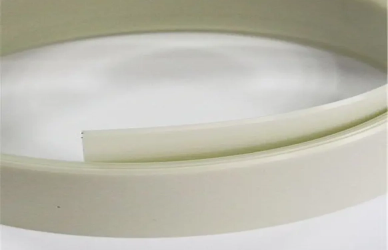
Doctor blades should be replaced based on their wear and tear, not merely their appearance. Even if the blade looks intact, it may have lost its effectiveness due to wear on the edges or material fatigue. A good rule of thumb is to monitor the blade's performance and replace it when it starts to show signs of uneven scraping, cracks, or reduced efficiency. Tracking the number of production hours or cycles can also help establish a consistent replacement schedule.
Rotating blades across different positions in the machine is a simple yet effective strategy to ensure even wear. By swapping the top and bottom blades or moving blades from one position to another, you can prevent localized wear patterns. This not only extends the lifespan of the blades but also helps maintain consistent quality in production, as no single area of the blade will face excessive strain.
Using Original Equipment Manufacturer (OEM) parts for replacements is essential to maintain consistent performance. OEM parts are designed to meet the exact specifications of the original blade, ensuring a perfect fit and reliable function. While non-OEM parts may offer short-term cost savings, they often compromise on performance, durability, and overall quality. Sticking with OEM blades helps avoid compatibility issues and ensures that your doctor blade system performs at its best.
Ceramic coatings or other surface treatments improve doctor blade longevity by enhancing wear resistance and corrosion protection. These coatings are particularly useful in abrasive environments, extending blade life and reducing maintenance needs. They offer added durability against high temperatures and chemicals, making them ideal for heavy-duty applications and reducing downtime.
Sharpening doctor blades helps maintain their cutting edge, improving performance and extending their lifespan. Specialized grinding or honing techniques ensure minimal material removal while refining sharpness. Regular sharpening maintains consistent pressure between the blade and roller, reducing wear and enhancing product quality.
Automation and monitoring systems can track blade wear and performance in real time, helping manufacturers detect issues early. Sensors can identify misalignment, uneven pressure, or damage, allowing for timely intervention. These systems optimize blade performance, reduce downtime, and improve overall production efficiency.
Proper maintenance is critical for ensuring the longevity and optimal performance of doctor blades in various industries, including paper, printing, and coating. By regularly inspecting, cleaning, and maintaining doctor blades, manufacturers can prevent premature wear and extend blade lifespan, ultimately improving production efficiency and reducing operational costs.
Implementing a routine maintenance schedule, utilizing quality OEM parts, and adopting advanced techniques like surface treatment or precision sharpening can maximize blade performance and minimize downtime. Manufacturers should also invest in proper handling, storage, and monitoring systems to safeguard against damage and ensure consistent operation.
In conclusion, committing to proactive and systematic maintenance practices is essential for manufacturers to get the most out of their doctor blades, ensuring consistent quality, reduced maintenance costs, and enhanced overall production efficiency.


