
Views: 0 Author: Site Editor Publish Time: 2024-09-13 Origin: Site


Gravure printing, also known as rotogravure, is a sophisticated intaglio printing process where images are engraved onto a cylinder. This method is particularly renowned for its ability to produce high-quality and detailed prints on a large scale.
Intaglio Technique: Gravure printing falls under the category of intaglio printing techniques, where the image is incised or etched into a surface. In gravure, this surface is a cylindrical metal roller, commonly made from copper or steel.
Cylinder Engraving: The image is engraved onto the cylinder through acid etching or laser engraving, creating recessed areas that hold ink. These recessed areas, known as cells, vary in depth and size to capture different shades and details of the image.
Image Reproduction: The gravure process excels in reproducing complex images with fine detail and smooth gradations. The depth and volume of the cells determine how much ink is held, translating into various shades and textures in the final print.
Continuous Printing: Unlike some other printing methods, gravure printing does not involve plate seams. The engraved image wraps continuously around the cylinder, allowing for seamless, uninterrupted printing.
Material: Typically made from metal, such as copper or steel, the cylinder is meticulously engraved with the image to be printed. The engraving process creates thousands of tiny cells of varying depths.
Ink Transfer: During printing, the ink is applied to the cylinder and fills these cells. The cylinder rotates and transfers the ink from the cells onto the substrate, whether it’s paper, plastic, or another material.
Ink Application: Special inks used in gravure printing are designed for quick drying and strong adhesion. The ink is applied to the engraved cylinder and then scraped off by the doctor blade, leaving ink only in the recessed cells.
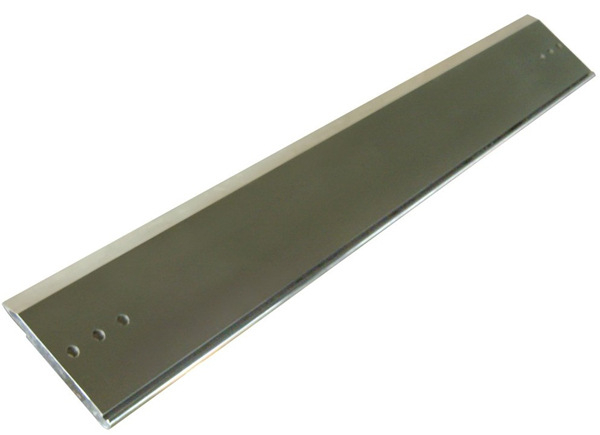
Doctor Blade: This crucial tool ensures that only the ink in the cells is used for printing, maintaining the quality and accuracy of the image. It also controls the thickness of the ink layer.
Direct Transfer: The inked cylinder presses against the substrate, transferring the image with precision. This direct transfer method results in high-resolution prints and detailed imagery.
Variety of Substrates: Gravure printing can be used on a wide range of substrates, including paper, plastic films, metal foils, and textiles, making it versatile for various applications.
Materials: Typically made from hard metals such as stainless steel or chrome-plated steel because gravure inks are usually higher in viscosity and require a blade with sufficient hardness and durability.
Thickness and Hardness: The blade is generally thicker and harder to handle high-viscosity inks and to avoid excessive wear on the gravure cylinder surface.
Shape and Design: The blade needs to be precisely designed to ensure even ink scraping and to fit the contours of the gravure cylinder.
Materials: Can be made from metal blades (such as stainless steel) or high-quality synthetic materials (like plastics or composites). Since flexographic inks are typically lower in viscosity, the blade design focuses more on flexibility and adaptability.
Thickness and Hardness: The blade is generally thinner and of moderate hardness to accommodate the flexible printing plate and lower ink viscosity. The design needs to ensure effective contact with the plate surface and even ink transfer.
Shape and Design: The blade design emphasizes flexibility to adapt to the elastic surface of the plate and ensure uniform ink application.
In gravure printing, the Doctor Blade is a critical component used in several specific areas of the printing process.
Ink Chamber:
The Doctor Blade is installed in the ink chamber or ink tray of the gravure press. This chamber holds the ink that is transferred to the gravure cylinder. The Doctor Blade controls the flow of ink from the ink chamber to the gravure cylinder, ensuring that only the ink in the recessed areas of the cylinder is used for printing.
Ink Application:
The Doctor Blade scrapes excess ink from the surface of the gravure cylinder. The gravure cylinder has engraved cells that hold the ink, and the Doctor Blade removes any excess ink from the non-image areas, leaving only the ink in the cells to be transferred to the substrate. This ensures a precise and uniform application of ink.
Uniform Coating:
By controlling the amount of ink on the gravure cylinder, the Doctor Blade helps achieve a consistent ink distribution across the cylinder's surface. This uniform coating is essential for maintaining print quality and avoiding variations in ink density.
Cleaning Process:
Doctor Blades play a role in the cleaning process by helping to remove residual ink from the gravure cylinder and the ink chamber. Proper cleaning is essential to prevent ink build-up, which can affect print quality and cause maintenance issues.
Defect Prevention:
The Doctor Blade helps prevent print defects by ensuring that only the required amount of ink is transferred from the cylinder to the substrate. This reduces the risk of issues such as ink smearing, color inconsistency, and other printing flaws.
Ink Adjustment:
In gravure printing, the viscosity of the ink can vary based on the type of job and the specific ink formulation. The Doctor Blade helps manage ink viscosity by controlling how much ink is applied to the cylinder. Adjusting the pressure and angle of the Doctor Blade can accommodate different ink viscosities and ensure optimal printing performance.
Gravure printing is ideal for large-scale production runs. It is widely used in industries requiring high-volume output, such as packaging, publishing, and textiles.The precision of gravure printing allows for the reproduction of intricate details and gradients, making it suitable for high-quality applications such as magazines, catalogs, and flexible packaging.
High-Quality Imagery:
Fashion and Lifestyle Magazines: Gravure printing is frequently used in the production of magazines, particularly those requiring high-quality and consistent images. This includes fashion magazines, lifestyle publications, and other high-end periodicals where visual appeal is paramount.
Catalogs: Detailed catalogs, especially those showcasing products or art, benefit from gravure’s ability to reproduce fine details and color accuracy. This ensures that images of products or artworks are presented with the highest level of fidelity.
Consistency and Volume:
Uniformity: The ability of gravure printing to produce uniform prints across large volumes is crucial for magazines and catalogs that need to maintain a consistent look across thousands of copies.
High Print Runs: The efficiency and durability of gravure printing make it ideal for high-volume production, allowing publishers to meet large distribution demands without sacrificing quality.
Vibrant and Detailed Packaging:
Food Packaging: Gravure printing is widely used for food packaging due to its ability to produce vibrant colors and detailed images that are essential for attracting consumers and conveying product information effectively.
Cosmetic Packaging: For cosmetic products, gravure printing offers the precision needed to create high-quality, attractive packaging that reflects the brand’s image and appeals to customers.
Pharmaceutical Packaging: In pharmaceutical packaging, gravure’s ability to provide detailed and precise prints ensures that important information, such as dosage instructions and ingredient lists, is clearly and accurately represented.
Durability and Flexibility:
Material Compatibility: Gravure printing can be used on a variety of substrates, including flexible films and foils, making it versatile for different types of packaging materials.
Durable Prints: The process produces durable prints that can withstand handling and environmental factors, ensuring that the packaging maintains its appearance throughout its lifecycle.
Detailed and Colorful Designs:
Decorative Wallpapers: Gravure printing is ideal for producing detailed and vibrant wallpaper designs. The technique’s ability to reproduce fine details and a wide range of colors allows for intricate patterns and visually striking designs.
Custom and High-End Wallpapers: For custom and high-end wallpaper applications, gravure printing provides the quality and precision needed to create unique and high-quality wall coverings that enhance interior spaces.
Versatility in Design:
Textural Effects: Gravure printing can also reproduce various textural effects and finishes, adding depth and richness to wallpaper designs.
Consistency: The process ensures consistent color and design quality across large rolls of wallpaper, making it suitable for both residential and commercial applications.